How to Flip a Bed Between Crops on Your Small-Scale Farm
By Jonathan Dysinger and John Dysinger
Updated on
Show Transcript
0:00In this video, we're going to quickly show the process for flipping a bed.
0:03This this bed had a rugula in it. It's been harvested a few weeks ago, and now we're ready to replant into it. And so, we're going to show you that process.
0:11Dad, take it away. Okay. So, the the certainly the simplest way to to prepare
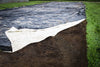
0:18a bed is to cover it with the silage tarp. And when you've got stuff like arugula, you know, this is all needing
0:27to be covered here. This has been harvested. And this is second growth.
0:31Just wetting covering with a silage tarp literally for a week and it's ready to go. If you look down here, you can just
0:40see what's left. It's hardly enough to even need to rake off.
0:49But, uh, that leaves all the roots in the soil. And so, you're just pulling
0:55the tarp off. you know, if you're in a a big hurry and you don't have time to use the silage tarp, then you're pulling it
1:03out by hand, which is a lot more labor intensive.
1:08But once you've done that, um, depending on the time of year and on your soil,
1:15this would be when you would put down amendments. We soil test and amend with with the minerals usually just once a
1:23year. Um but we often would put down compost, just sprinkle compost on a bed.
1:32Um and then we come to to actually
1:39um preparing it with the broad fork. And I will say we don't broad fork as much as we used to. You know, if you've got a
1:48hard compacted clay soil, you probably want to broad fork pretty much every time you plant.
1:57But our soil is in pretty good shape.
2:00And so we don't like to overwork it. And so we just broad fork as needed.
2:08But um if you haven't used a broad fork, it's a wonderful tool to to work with.
2:15You're just pulling it back till you see the ground kind of cracking a little bit and then I stagger it a little bit.
2:27Um,
2:30go back 6 in or so and it's great exercise.
2:42And that's that's basically how broad forking works.
2:47All right. The other option we'll talk about um is a cultivator like a tine harrow tine cultivator like this. Um we
2:56manufacture what has been known for years the valley oak tool brand. We acquired them um in the end of towards
3:05the end of 2024 and are now manufacturing and selling these products um in Tennessee here. And uh this is a
3:13modification of a cultivator that they have been selling for years. Previously it was a four tine. We've spaced the tines quite a bit farther apart and it
3:22goes through the soil much better and uh really breaks up the soil rather than kind of plowing the soil. So we will be
3:29launching this variation quite soon. Uh but you can dig it down into the soil and just push it through the bed. Um,
3:37depending on how loose your soil is, you may go deeper, shallower, might have to do a couple passes, but this certainly breaks up the top few inches of soil,
3:46making it easy to plant into. And then this is wide enough where with just two passes going down each side of the bed,
3:57you can break up the the full width of your 30-in bed tops with just two passes.
4:06So, now that the soil is kind of broken up,
4:10we can move on to raking it out and smoothing. What do you think about that? That looks pretty good, huh? Yeah.
4:18You still remember some of those things you learned growing up.
4:23It's good for him to come back to the farm and get his hands in the dirt. I will just mention, you know, a lot of it
4:30depends on how OCD you are, but um you can use a string line. We do mark the
4:38corners of our beds cuz if you don't mark your beds over time, they just kind
4:44of move around. Your your um aisles get wider and your beds get smaller. So you
4:53can just, you know, put put a string on here and go down and tie it off at the other end just to make sure you're staying where you need to be on the bed.
5:06Um,
5:08again, like I say, it's kind of depends on how OCD you are. Uh,
5:15a lot of people will just eyeball it and that usually works fine, but string can
5:23be helpful. So, after Oh, I was going to say on the the the broad forking versus using the wheelho.
5:34I think a lot would depend on what's coming next. You know, if you've got like if you're planting carrots, you're going to want to probably use the broad fork because that's going to go deeper.
5:45But on a shallower rooted crop like lettuce or something like that, using the wheel ho is going to be faster and
5:54it's going to loosen up the soil as much as you need to loosen it, I think. So
6:00then the next step is just using your bed rake. Where's our bed rake? Okay,
6:08Jonathan, show show them how that has seen some love. Yeah. Yeah, that's over 20 years old.
6:15Yeah, this is the um uh from Johnny's. Yes,
6:19the hay rake, I guess, is what they were kind of designed for, right? Austrian hay rake is what it was. So,
6:26you just want to go kind of gently and uh I don't know. Am I doing it right? This is kind of what I remember.
6:33Looks good. just gently raking it across, trying to smooth the surface.
6:40So again, a lot depends on what's coming next. If you're doing transplants,
6:46it's not nearly as important for it to be really smooth and perfect. You know, if you're going to be direct seating,
6:55then that's much more critical where you want it to be flat and really finely
7:04prepared. Of course, the other option is the tilther. We're trying to use just more basic tools cuz
7:13we're we're wanting you to see that you don't have to have all the all the bells and whistles. But running over the tilt
7:22w over the bed with the tilter at this point would make it uh a much finer
7:30preparation for either direct seating or um paper potting.
7:36Yeah. I think it's important to mention though that you know don't overdo it. Exactly.
7:42There's no need to spend a bunch of time getting it perfectly raked out smooth if you're just transplanting.
7:48Yeah. And that's that's a key. Only work the soil as much as you need to. Um you're not, you know, we're we're really
7:56trying to stay away from from any extra extraneous, is that the right word?
8:04Something like that.
8:05Um any extra soil working.
8:09Yeah. All righty. At this point, we would be ready to to plant to mark out our our crop grid pattern or however
8:17we're going to mark it out. And uh stick around for next week's video where we'll show you the process for planting
The fastest way to flip a bed is to cover the old crop residue with a silage tarp for about a week — the residue breaks down, weeds die, and you pull the tarp off to a nearly clean surface. From there, broadfork only if needed (deep-rooted crops or compacted soil), break up the top few inches with a tine cultivator, rake smooth, and plant. The key principle: only work the soil as much as the next crop requires. Transplants need minimal prep; direct-seeded crops need a finer surface.
Flipping beds — clearing one crop and preparing for the next — is something you'll do hundreds of times over a growing season. How quickly and efficiently you can turn a bed around directly affects how many successions you can fit in and how much revenue each bed generates per year.
In a recent video at Bountiful Blessings Farm, my dad, John Dysinger, walked through the exact process they use, from clearing arugula residue to a bed ready for planting. Here's the step-by-step system.
Step 1: Kill the Residue with a Silage Tarp
The bed in the video had arugula that was harvested a few weeks prior, with second growth and residue still covering the surface. The simplest way to deal with this: cover it with a silage tarp for about a week.
That's it. The tarp blocks light, the residue breaks down, and when you pull it off, there's barely enough left to rake. All the roots stay in the soil, feeding biology as they decompose.
If you're in a rush and can't wait a week, the alternative is pulling residue out by hand — which works but is significantly more labor-intensive. The tarp method trades time for effort, and the time investment is almost entirely passive (the tarp does the work while you're doing other things).
Step 2: Amend If Needed
Once the tarp is off and the surface is clean, this is the window for soil amendments. At Bountiful Blessings Farm, they soil test and apply minerals once a year, and often add a light top-dressing of compost between crops.
This doesn't happen on every bed flip — only when the schedule and soil needs call for it. Don't feel like you need to amend every time you turn a bed.
Step 3: Loosen the Soil (Only as Much as Needed)
This is where my dad emphasizes a principle that took years to fully embrace: only work the soil as much as the next crop requires.
Broadfork: For Deep-Rooted Crops or Compacted Soil
If you're planting carrots or another deep-rooted crop, or if your soil is compacted, the broadfork is the right tool. Push the tines in, lean back until you see the ground crack slightly, then stagger back about 6 inches and repeat.
But Bountiful Blessings Farm doesn't broadfork as much as they used to. Their soil is in good shape after years of organic matter additions, and overworking healthy soil does more harm than good. Broadfork as needed, not by default.
Tine Cultivator: For Shallow-Rooted Crops
For lettuce, brassica transplants, and other crops that don't need deep soil preparation, a tine cultivator breaks up the top few inches and that's sufficient. It's faster than broadforking and doesn't disturb the deeper soil structure unnecessarily.
Farmers Friend recently acquired the Valley Oak tool line and is developing an updated tine cultivator with wider-spaced tines that breaks up soil more effectively without plowing it. With just two passes down each side, you can prepare the full width of a 30-inch bed.
When to Use Which
The decision is driven by what's going into the bed next:
Deep-rooted crops (carrots, parsnips, beets) → Broadfork for deeper loosening.
Shallow-rooted transplants (lettuce, brassicas, herbs) → Tine cultivator for the top few inches. Faster and sufficient.
Direct seeding into fine seedbed → May need both the cultivator pass and a thorough raking to get a smooth, fine surface.
Step 4: Rake and Smooth
A standard 30-inch bed rake (the Austrian hay rake from Johnny's is the classic — my dad's is over 20 years old) smooths the surface after loosening.
How much effort you put into raking depends entirely on what's next:
Transplanting? A rough rake is fine. The surface doesn't need to be perfect because you're just making holes and dropping plants in. Don't waste time getting it smooth.
Direct seeding? You need a flat, finely prepared surface so seeds make good contact with the soil at a consistent depth. Take the extra time here — or run a tilther over the bed for an even finer finish.
This is a place where new growers often waste time: over-preparing beds for transplants that don't need it. Match your prep intensity to the planting method.
Step 5: Mark Your Beds Consistently
One practical tip: mark the corners of your beds permanently. Without corner markers, beds gradually shift over time — aisles get wider, beds get narrower, and your standardized system slowly drifts. A string line run between corner markers keeps everything where it should be, season after season.
Some growers eyeball it, and that works well enough most of the time. But if precision matters to your system (and it does for consistent bed widths, fabric sizing, and seeding rates), corner markers are worth the small effort.
The Takeaway
Flipping a bed doesn't need to be complicated or labor-intensive. Silage tarp for a week to clear residue. Amend if needed. Loosen only as deep as the next crop requires. Rake to the appropriate level of smoothness. Plant.
The farmers who flip beds fastest aren't the ones with the most tools — they're the ones who've learned not to overwork the soil. Do what the next crop needs, and nothing more.
Frequently Asked Questions
Cover the residue with a silage tarp for about a week. The residue breaks down under the tarp, and when you remove it, the surface is nearly clean. From there, loosen the soil only as much as the next crop needs, rake smooth, and plant.
No. Broadfork when the next crop needs deep soil loosening (carrots, root vegetables) or when the soil is compacted. For shallow-rooted transplants like lettuce or brassicas, a tine cultivator that breaks up the top few inches is faster and sufficient. Avoid overworking soil that's already in good condition.
It depends on the planting method. Transplants need minimal surface preparation — a rough rake is fine. Direct-seeded crops need a flat, finely prepared surface for consistent seed depth and germination. Match your prep effort to what's going in the bed.
Mark the corners of your beds permanently and use a string line when raking and shaping. Without markers, beds gradually shift as aisles widen and bed edges migrate. Consistent bed widths keep your fabric, seeding rates, and cultivation tools working properly.
A tine cultivator (or wheel hoe with tine attachment) breaks up the top few inches of soil without deeply disturbing the soil structure below. Use it for bed flips where the next crop doesn't need deep loosening — lettuce, transplanted brassicas, herbs, and similar shallow-rooted crops. It's faster than broadforking for these applications.
Shop Related Products