Salanova® Lettuce Growing Guide for Year-Round Production
Grow crisp, premium Salanova® lettuce every week of the year with a proven, field-tested system—from nursery to field to bagged salad mix your customers love.
Updated on
If you’d like to print portions of this guide out for later reference, we’ve created a PDF version you can download.
When’s the last time you tried buying lettuce in the grocery store?
If you haven’t lately, do it, just for the reminder of how much better locally grown lettuce is. It’s like an entirely different food. Growing lettuce can give the market farmer a huge competitive advantage.
And having lettuce consistently year-round can be a drawing card to your farm.
But actually getting to the point where you’re growing lettuce sustainably and profitably 365 days a year may not be a straightforward process.
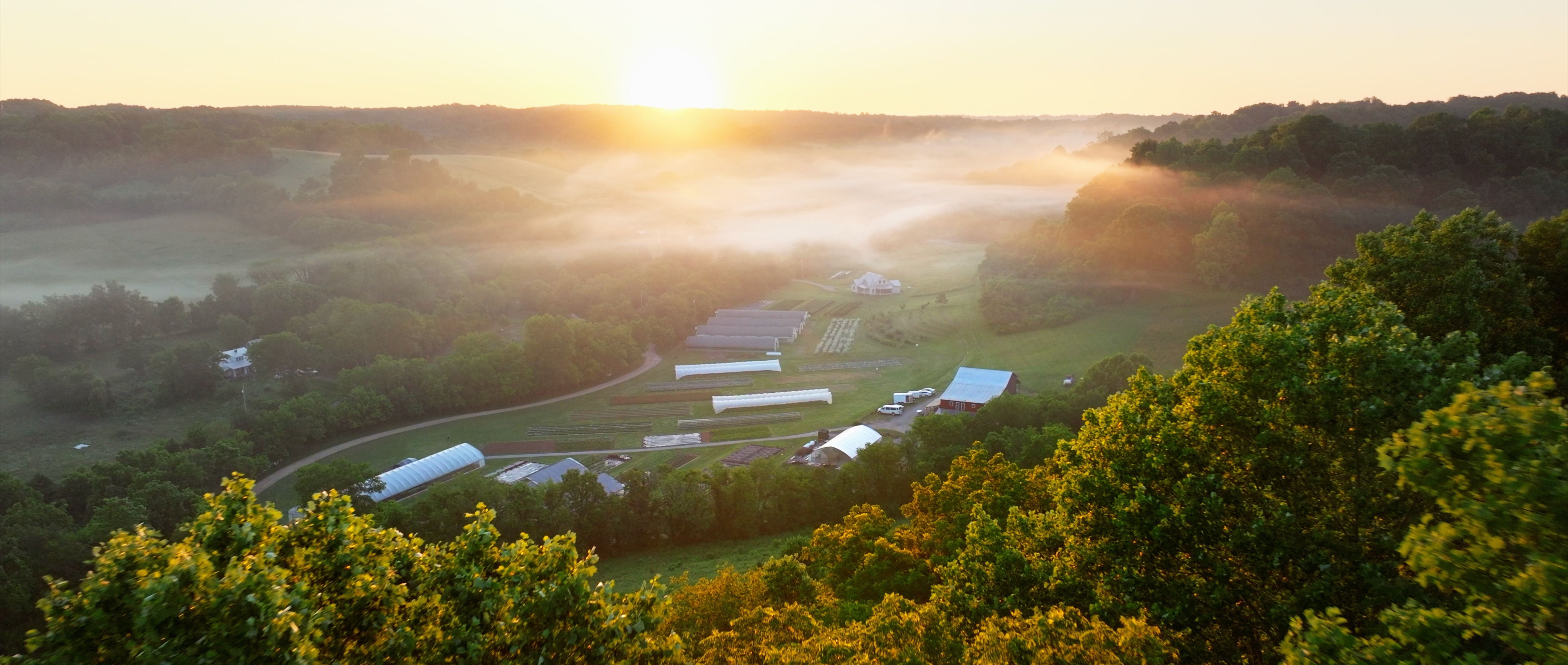
We’ve created this guide based on the process used by Bountiful Blessings Farm in middle TN, just outside Nashville. They’ve been growing over 25 years and have dialed in the method of growing lettuce, especially through the summer. This guide focuses specifically on their Salanova® lettuce production.
They like growing Salanova® lettuce because it’s easier to grow (than regular lettuce mixes) without weed pressure, it has great volume and flavor, and customers love the convenience of lettuce mix. They get around $13-$14/pound, typically sold in half-pound bags for $6.50.
Location, Location, Location
While this guide walks you through the steps Bountiful Blessings uses in their production, your location and climate will impact how you choose to apply these steps on your own farm. You may not have hot, humid summers, or maybe you have long, warm winters. Adjust the principles shared for your area.
Part I: Salanova® Seeding and Nursery Management
Bountiful Blessings Farm uses a transplant method for starting the Salanova® seeds. They run a weekly succession where they seed five and a half 44’ x 30” bed’s worth of starts year round.
1. Seeds: Benefits of Pelletized. Variety Selections.
Use pelletized seed. This allows for automated drop-seeding, which exponentially speeds up the seeding process. Pelletized seeds also have a better germination rate.
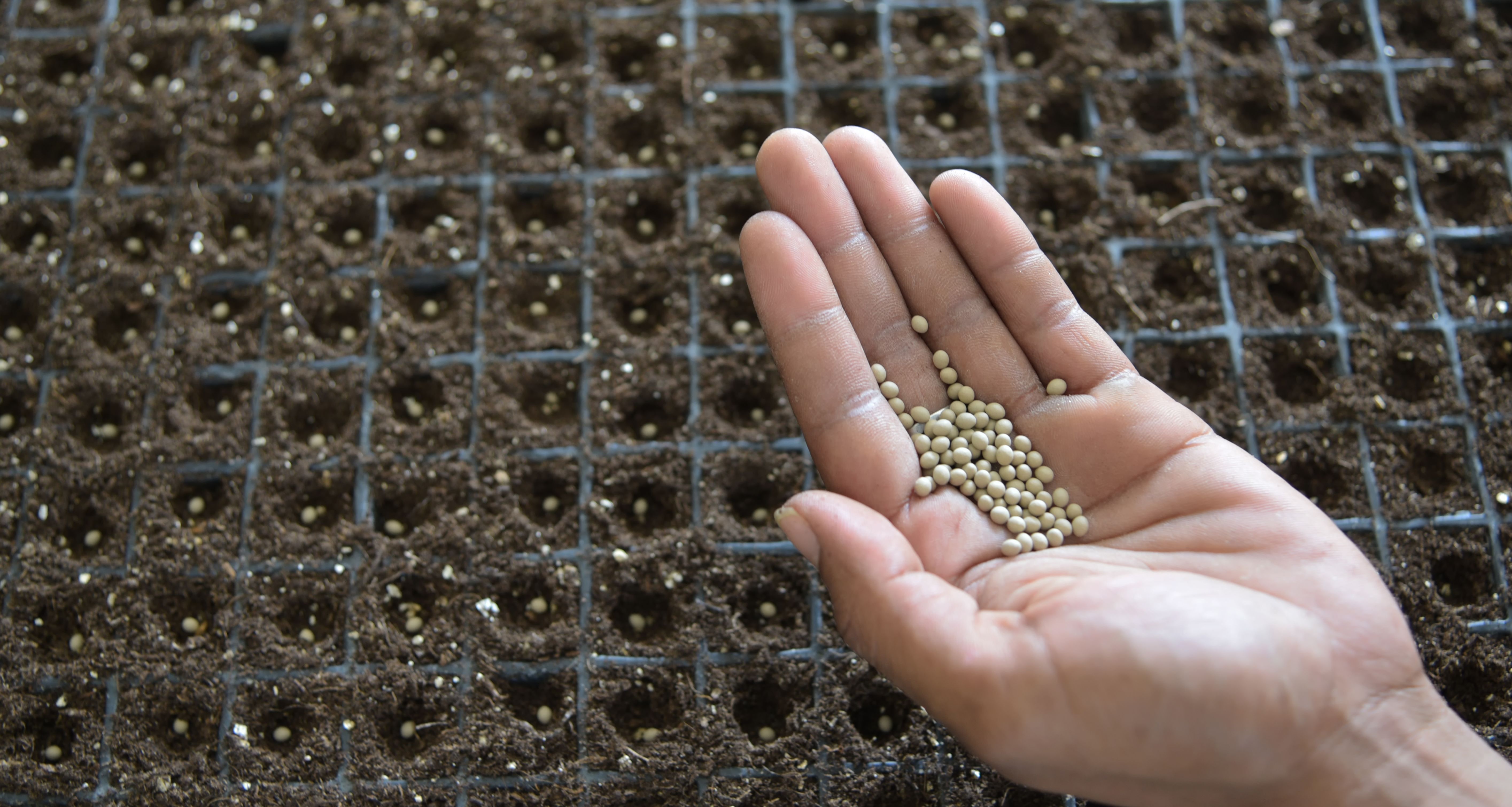
Store your pelletized seeds in the refrigerator. They will maintain viability for about one year stored at cold temperatures.
These are the varieties of Salanova® grown at Bountiful Blessings Farm. They source the seeds from Johnny’s Selected Seeds. Keep in mind that some varieties might perform better or not as well at your location:
2. Potting Mix and Nutritional Start
Bountiful Blessings Farm uses Berger OM2 potting soil (sourced from Deerfield Supplies, LLC) for their transplants.
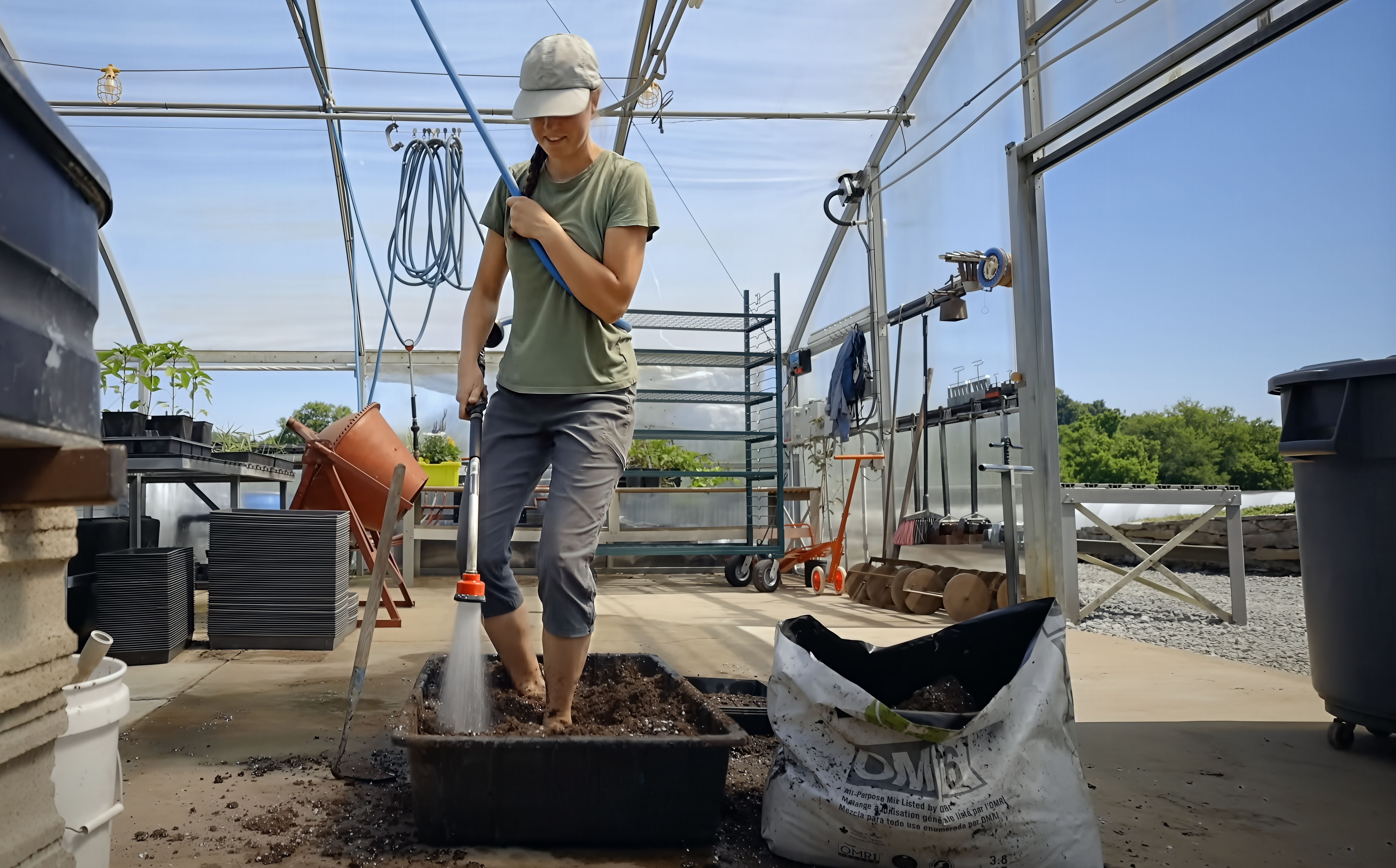
It’s a fine peat and perlite mix which works well with the 200-cell plug trays. They add a specific nitrogen charge: one cup of ground feather meal (also from Deerfield) for every 15 gallons of potting mix. This initial nutrient boost supports the seedling’s development without overfeeding.
The mix must be wetted to a precise moisture level—moist, but not “sloppy.” The ideal texture is one where you can nearly squeeze water out, but not quite.
3. Cell Tray Selection and Seeding
The cornerstone of the Bountiful Blessing’s Salanova® production is the use of 200-cell plug trays. This tray size maximizes space efficiency in the nursery and produces small, robust plugs ideal for the Quick Plant Fabric system.
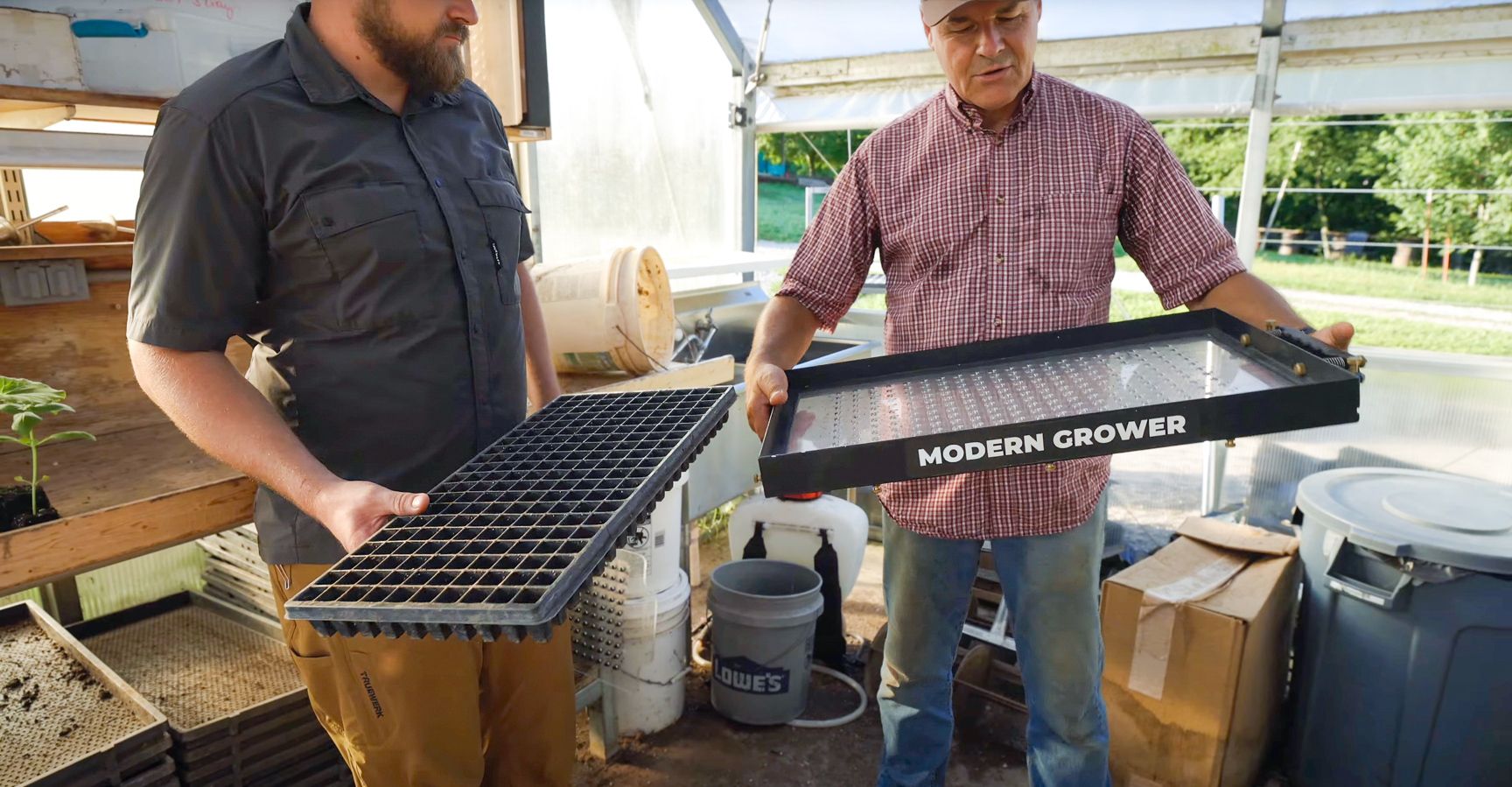
Seeding process:
- Fill the trays with wetted soil mix, then tap down to compact the soil slightly. Avoid overfilling the cells so it makes it easier to use the dibbler.
- Press the dibbler into the tray to create depressions for the seeds.
- Use your drop seeder to instantly seed the entire tray.
- Leave the seeds uncovered. This will increase their germination rate.
4. Germination & Watering
Since the seeds are left uncovered, they are highly vulnerable to drying out during the critical germination phase. Mist your trays thoroughly after seeding. Use an ultra-fine mist head (like the Dramm Fogg-It Nozzle) to avoid disturbing the exposed seed or damaging the delicate taproots as they emerge.
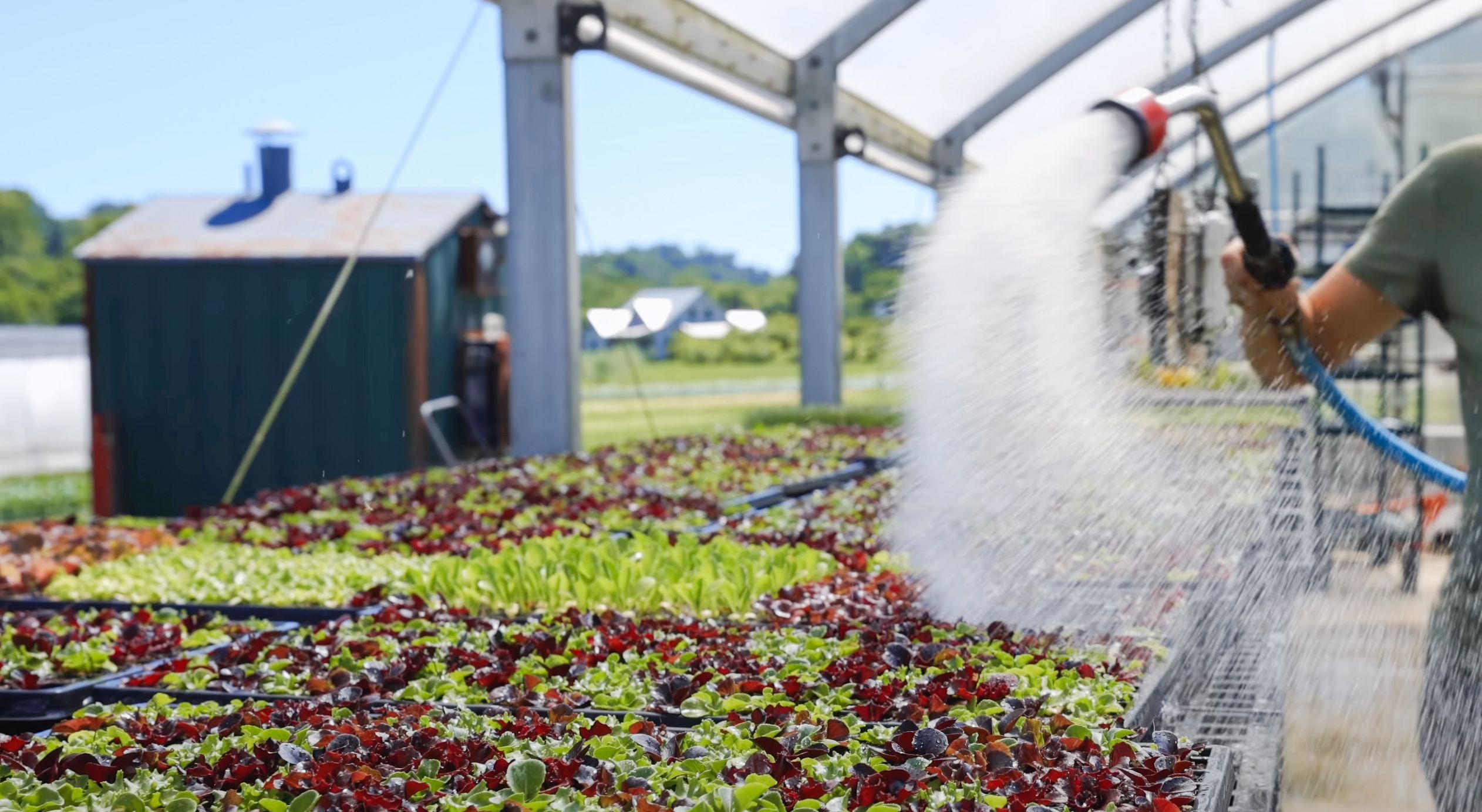
For the first three to four days, mist the trays one to three times a day to maintain constant moisture. After the taproot is established (around day 4), switch to your regular watering wand.
The seedlings remain in the nursery approximately four to five weeks (depending on the season) before transplanting. You want to transplant when the tops are between 2-3 inches tall and the roots are visible in the plug, but not root bound.
Bountiful Blessings doesn’t use a germinator to start their lettuce seeds. The main reason is because the different varieties in the mix tend to germinate at different times. Unless you’re paying very close attention, your early sprouters will get “leggy” in the germinator. They’ve found the germination quality seems to work sufficiently just having the trays on the tables in their seedhouse.
Part II: Salanova® Field Preparation and Transplanting
Once the plugs are ready, the focus shifts to creating a field environment that promotes rapid, clean growth—the key to reducing labor and maximizing saleable product.
1. Soil Preparation and Fertility
Since Salanova® is shallow-rooted, you can often forgo deep soil cultivation. Lightly tilth or cultivate your bed tops with a tilther or 3-tooth cultivator and rake them smooth. You want your bed tops relatively level. This will help with dibbling the holes for transplants and making sure the beds irrigate evenly.
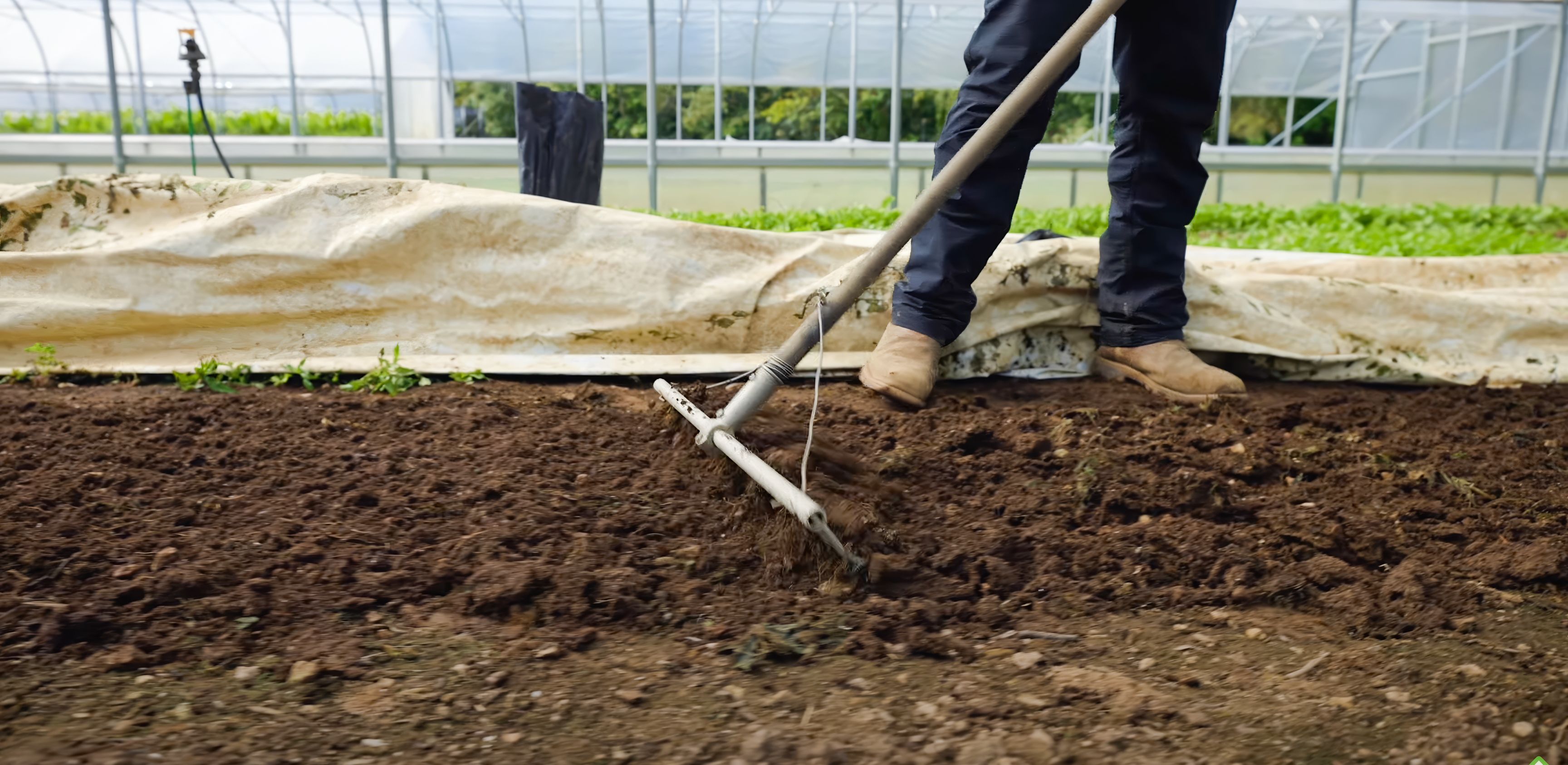
How you amend your soil depends entirely on the type and state of the soil on your farm.
Bountiful Blessings tests their soil once or twice a year and does a full nutrient application. Between the plantings of Salanova®, they add nitrogen by broadcasting feather meal across their beds with a chest spreader.
2. The Power of Quick-Plant Fabric
Quick-Plant Fabric has been a game-changing product for Salanova® production at Bountiful Blessings Farm. For a short video tutorial of how to lay out the fabric, check out Deploying Quick-Plant Fabric Like a Pro.
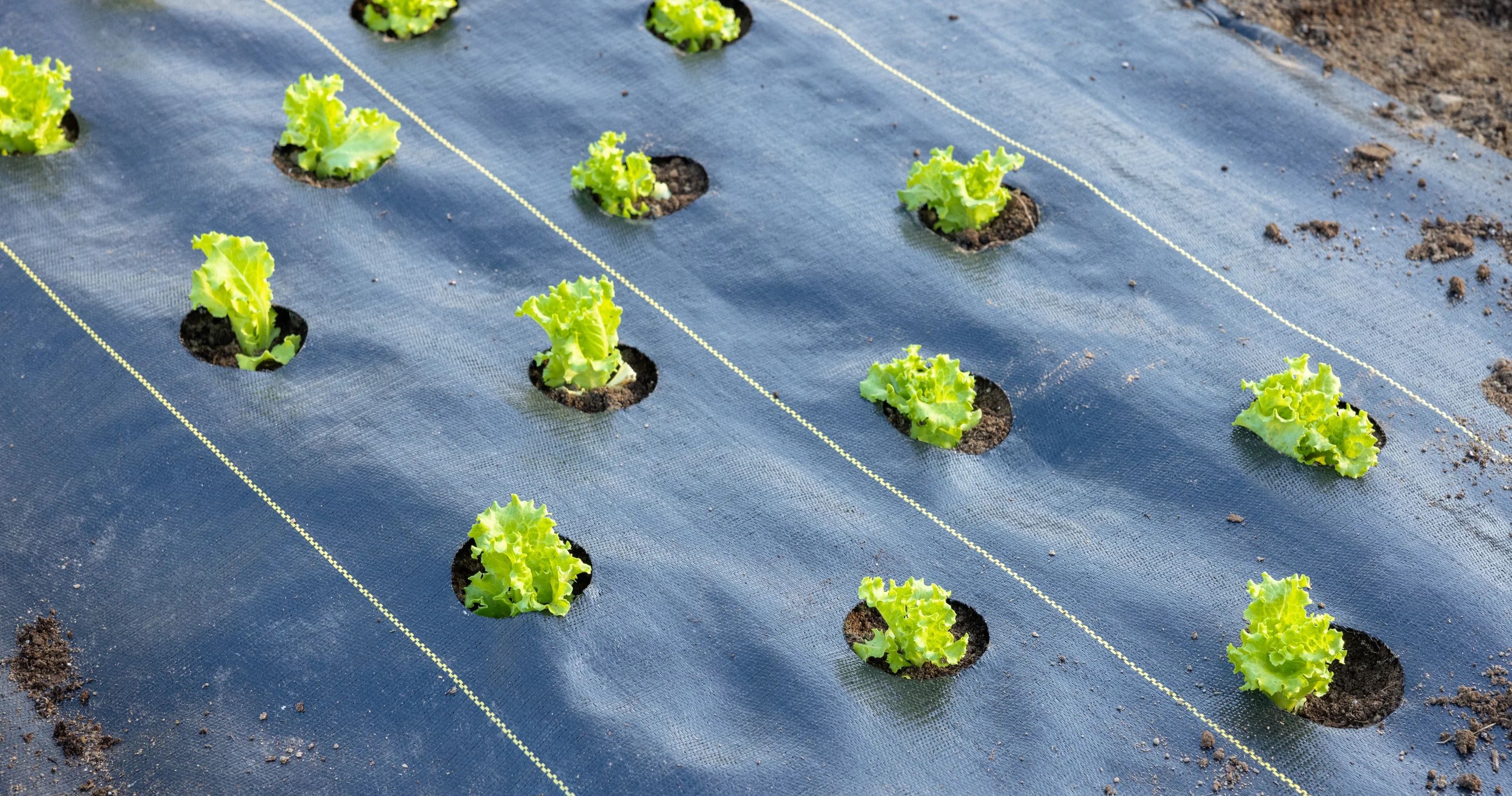
The benefits of growing in Quick-Plant Fabric include:
- Virtually no weeding required while the lettuce is growing
- No need to mark the bed tops for transplants. The holes in the fabric provide the grid
you’ll use. - It helps retain moisture in the soil. Since lettuce is a water-heavy crop, this helps keep it healthy through the hot summer months.
- When used in combination with shade cloth, Quick-Plant Fabric can reduce the soil temperature - also a win growing through summer.
- Cleaner lettuce harvest. Because the lettuce isn’t growing directly on the soil, it keeps the crop in pristine condition and cuts down on the effort to clean the lettuce during processing.
The hole size in the Quick-Plant Fabric can make a difference. Currently, Farmers Friend only makes 3” holes sizes, but they’ve been prototyping a 1.5” hole that works specifically for the 200-cell plugs and the Quick Plant Dibble.
Summer Spacing (April–Sept)
- 5 rows, 6 inches apart (5 × 6)
- The tighter spacing forces an earlier, quicker harvest to avoid bolting and bitterness in the heat.
Winter Spacing (Oct–March)
- 4 rows, 8 inches apart (4 × 8)
- The wider spacing allows the plants more room to bulk up in cooler, lower-light conditions.
The 1.5” hole is preferred because it essentially eliminates all weed pressure, it minimizes moisture retention under the lettuce plant (which can cause rot), and prevents the wind from lifting the fabric and letting lettuce grow underneath (which can cause diseased leaves).
Depending on where you’re growing, you might also want to adjust your spacing across the seasons.
Farm Smarter, Not Harder
Join thousands of market farmers receiving regular insights on how to streamline your systems, save your back, and increase your farm’s bottom line.
3. Transplanting Time!
The ideal time to transplant is during the evening to minimize transplant shock. The second best time is morning, but make sure you have your irrigation and shade cloth ready to go to help the starts pull through the heat of the day.
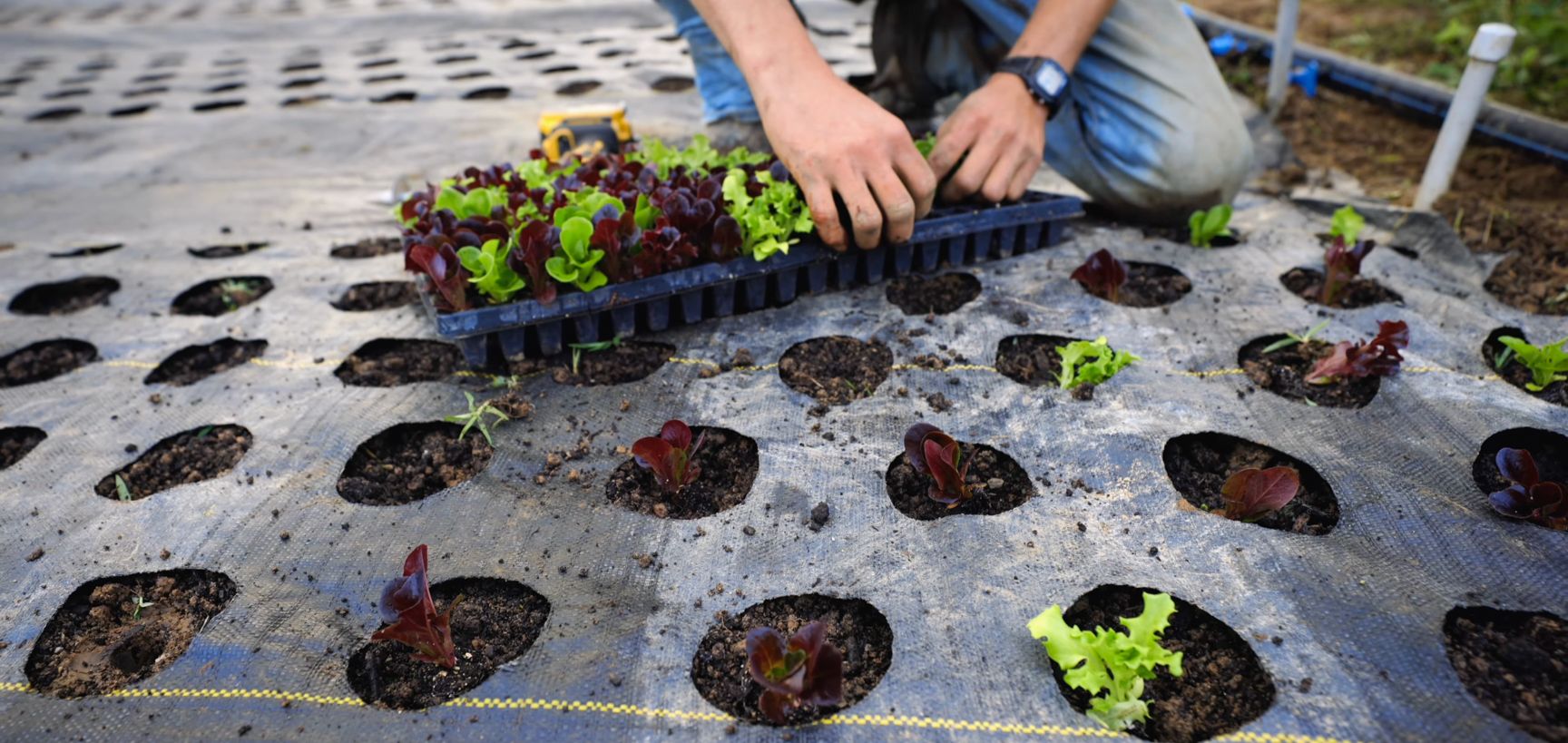
Water your trays well before transplanting. To help loosen the plugs and make them easier to remove from the trays, drop them on the ground from 1-2 feet to shake them up a little.
Use the Quick-Plant Dibble to drill holes for your plugs. Drop the plugs into the holes. No need to cover them with soil because they’ll be a perfect fit! For a video demonstration, check out Fast Salanova® Planting Tricks from Bountiful Blessings Farm.
Part III: Salanova® Irrigation, Environmental Control, & Pest Management
1. Heat and Frost Management
Heat and frost are going to vary significantly based on your climate. If you’re growing in the south, you’ll need some kind of shade cloth because summers are just too hot and sunny for lettuce. In the north, you might not need shade cloth at all.
Remember, your environment calls the shots. Apply these principles accordingly.
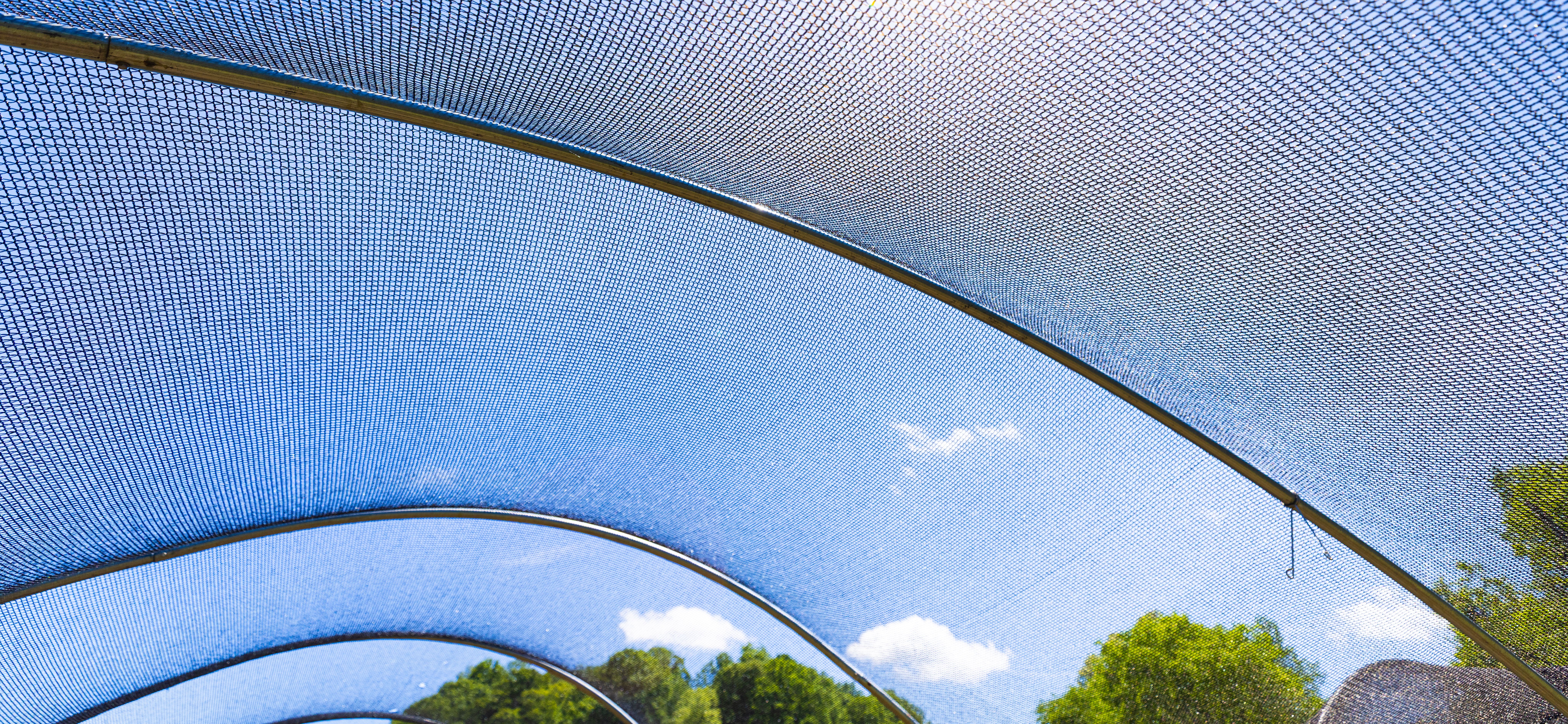
Shade Cloth: In the summer, 50% shade cloth is deployed for the first two weeks after transplanting. This is crucial for preventing leaf burn and controlling the production of bitter compounds. The cloth is held in place using a simple wire hoop and sandbag system. The cloth is removed if the plants begin to stretch or get lanky. In early summer and early fall, the shade cloth period is reduced to only one week.
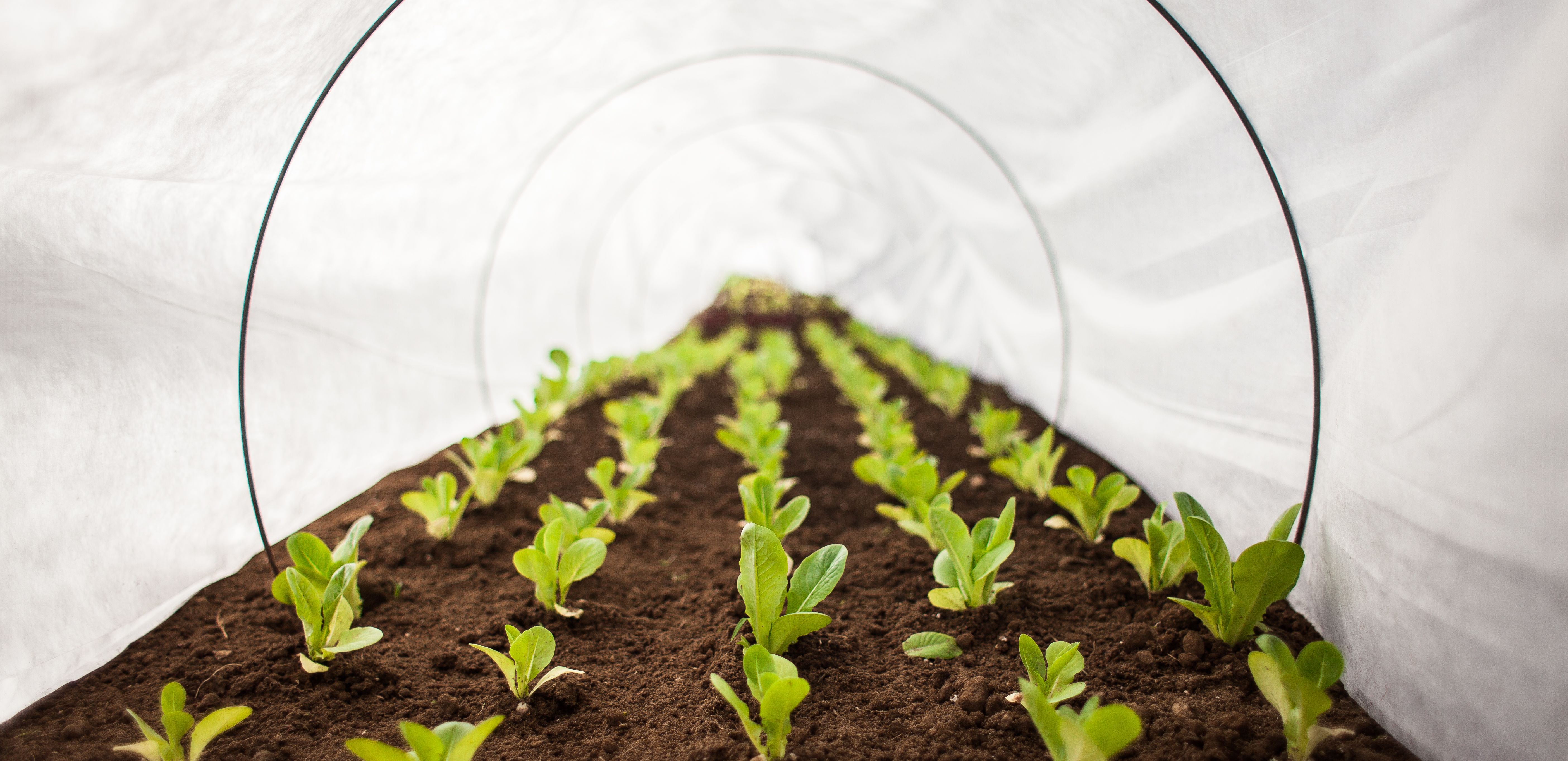
Frost Cloth: in winter, Bountiful Blessings shifts all their lettuce production inside their high tunnels. Some of them are heated to just above freezing. Others aren’t heated at all. In these tunnels, frost cloth is needed to protect the lettuce from freezing. Depending on how cold winters are in your area, you might need more than one layer of frost cloth to overwinter your lettuce.
2. Foliar Nutrition
A foliar AEA mix is sprayed for the first 3–4 weeks of growth to boost plant health and immunity, reducing disease pressure. Stop application 1–2 weeks before harvest to ensure no residue is present on the final product.
Product | Rate Per Acre | Rate Per 1000 Sq Ft |
|---|---|---|
3.2 qt | 2.4 oz | |
0.8 qt | 0.6 oz | |
2 qt | 1.5 oz | |
25 g | 1/8 tsp |
Instructions for Foliar Spraying
In a tank sprayer, backpack sprayer, or hand-held pump sprayer, mix the ingredients at a rate of a minimum 10:1 (prefer 20:1) water to product.
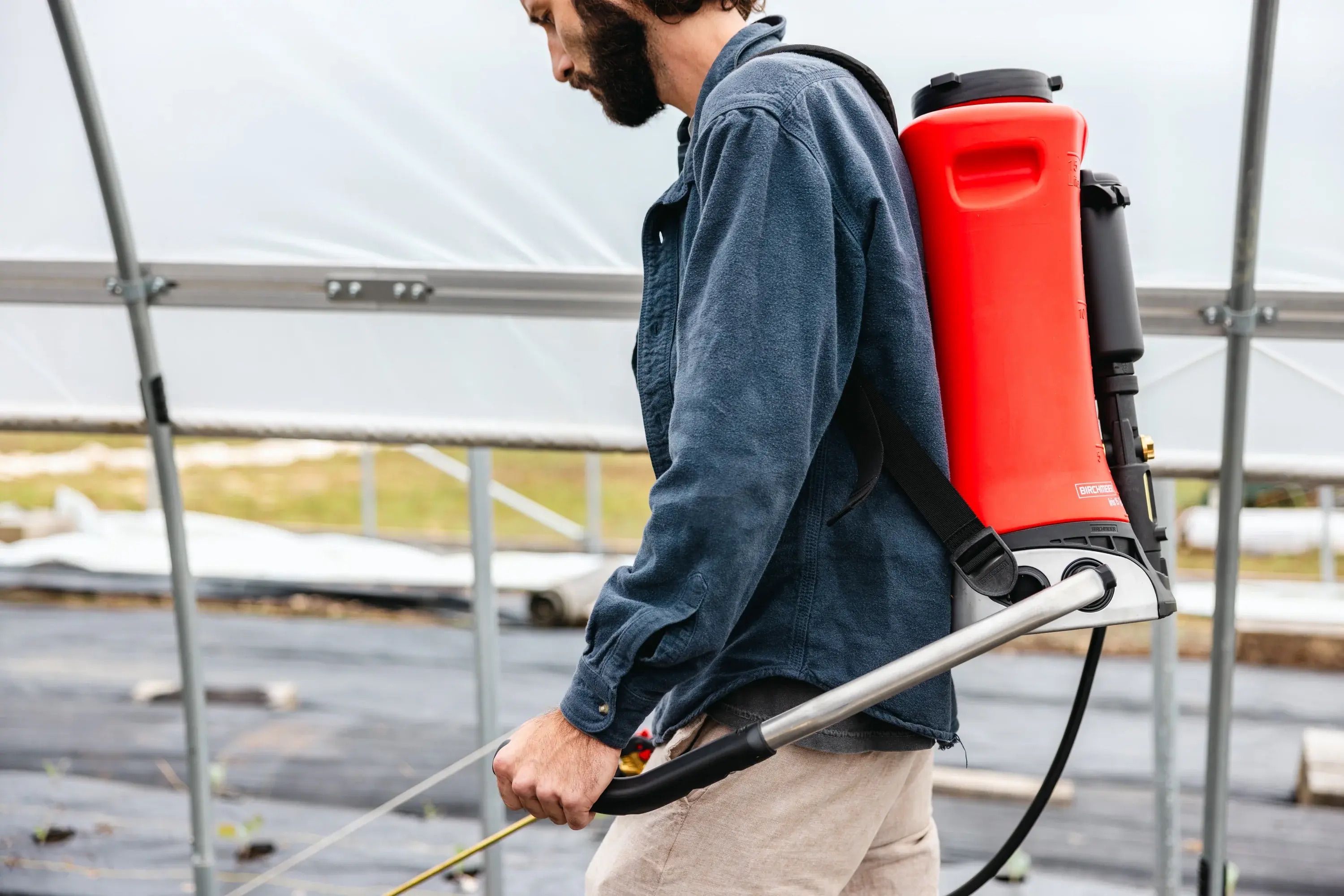
To avoid clogging, always screen or filter materials before adding to the sprayer reservoir. Set the sprayer head for large droplets as this increases the amount of time the plant has to absorb the nutrients from the leaf surface before the liquid evaporates.
Morning and evening applications are preferred. Avoid overhead watering for two hours after foliar application and spray at least two hours prior to rain.
3. Irrigation
Irrigation methods change with the season to maintain plant health.
Summer: Overhead irrigation(wobblers) is the primary method, applied 1–2 times daily during hot periods to keep the plants cool and hydrated.
Winter: Use drip irrigation to keep the leaves dry. This prevents the fungal and bacterial diseases that flourish when water sits on leaves in cool, humid tunnel conditions.
4. Pest Management
While tight rotation and healthy plants can mitigate many issues, sometimes pests are still pests. These will also vary based on your location.
At Bountiful Blessings, aphids are the primary pest they deal with on their lettuce in the winter. These they treat with an insecticidal soap.
Worms can also be a big problem. If you’re dealing with those, check out the video Conquering Fall Pests Organically for solutions used at Bountiful Blessings.
Part IV: Harvesting and Processing Salanova®
When the lettuce heads have filled out a canopy over the bed, it’s time to harvest. In the summer, you might harvest sooner than in winter to catch the lettuce before it bolts or becomes bitter.
1. The Timing of Harvest
Harvest timing is critical for flavor, weight, and shelf life.
Pre-Harvest Watering: water the lettuce the afternoon before you harvest. This ensures the plants are fully hydrated, resulting in better weight per head and a crisper texture.
Early Morning Harvest: harvest the lettuce in the early morning—ideally before 8 am in the summer—when the air is cool and the leaves are crisp and turgid. This is when the lettuce will have the best flavor and it will prolong the shelf life.
Bountiful Blessing operates on a weekly succession cycle (with some fluctuation in the slower, winter months) which ensures a constant supply of lettuce throughout the year and prevents quality loss. The crop has an optimal harvest window of about one week; the tight planning eliminates the risk of plants bolting.
In the spring, during peak production, they expect to harvest 20+ pounds of lettuce mix off one 44’ x 30” bed. Expected yield drops to about half that amount during the summer season when production and quality isn’t as good. Remember, this is the south. If you’re growing in the north, your summer yield might be equivalent to spring in TN.
2. The Harvest and Wash Process
Cutting Salanova®
Only a single cut is used. It’s possible to get more than one cut off a planting, but the quality drops off significantly with each cut. Bountiful Blessings has concluded it’s more profitable for them to do a cut-and-done harvest with the Salanova®. Use a harvest knife (they prefer Victorinox knives) for efficient harvesting.
Summer cutting vs Winter cutting: in the summer, when quality isn’t as good, they cut the heads like you would head lettuce with all the leaves connected to the core. They flip the head over, pull off any bad leaves, then make a second cut so all the leaves fall away from the core into the harvest bin. In the winter, when quality is better, they cut just above the lower set of leaves to avoid wasting time on a secondary cut.
Washing Salanova®
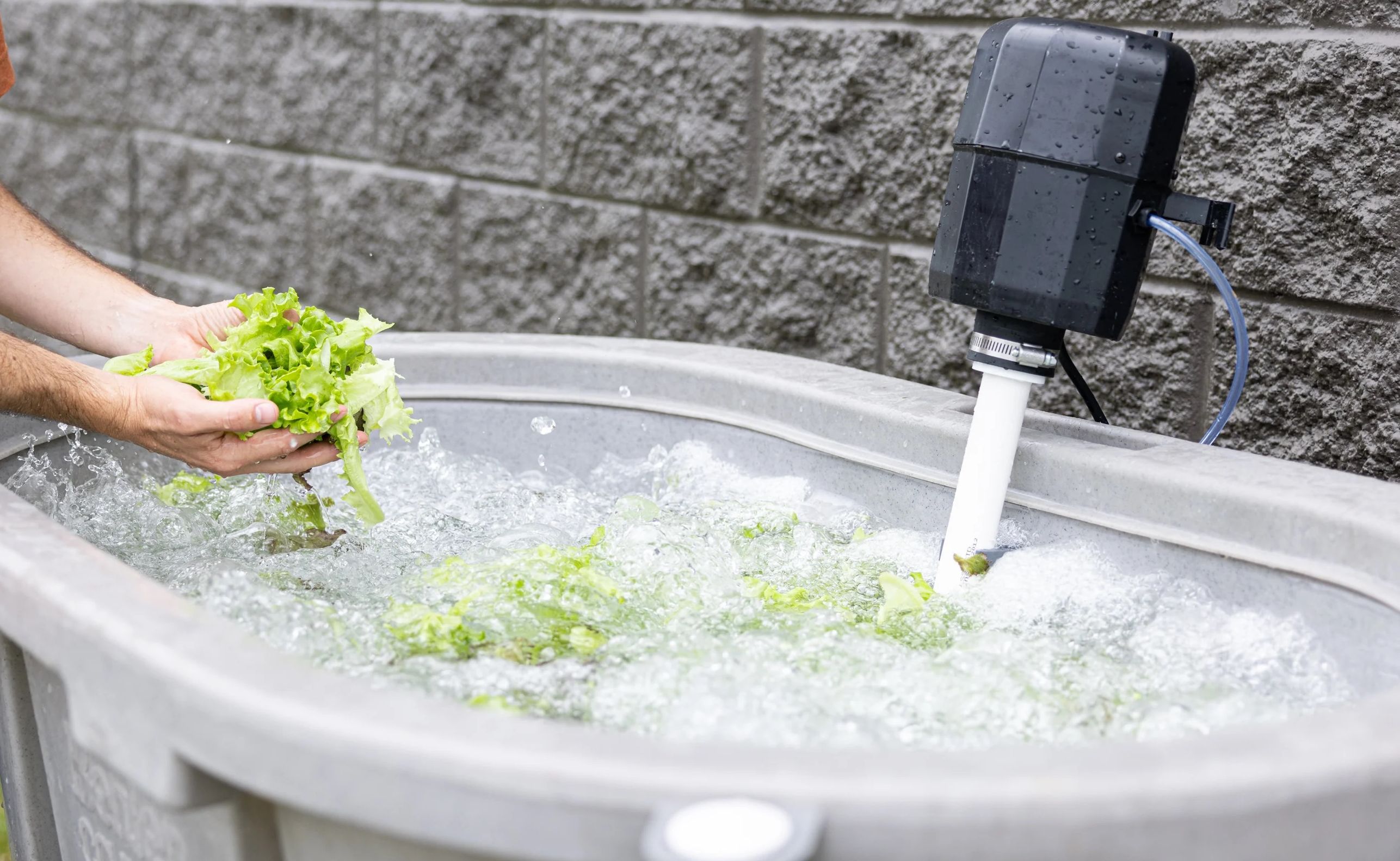
The harvested lettuce goes directly from the field into the wash tank set up with a bubbler. With their set up, they can process between 15-20 pounds of lettuce per wash cycle. Since the lettuce is mostly clean because they grow it on Quick-Plant fabric, they only run the bubbler for a couple minutes before removing the lettuce.
Drying and Packaging Salanova®
After washing, the lettuce is spun dry in their washing-machine-converted-into-a-greens-spinner machine for 2 minutes and immediately packaged. If you’re looking to convert a washing machine into a greens spinner, YouTube has several great instructional videos to walk you through the process. This one by Josh Sattin Farming is very thorough.
Most of their lettuce they package in plastic bags sealed with a bag taper. For higher-end wholesale clients like grocery stores, clamshells are used. Though more expensive, the clamshells allow for more labeling and better display, which helps the product stand out on the shelf.
Recommended Products for Salanova® Lettuce Production
Below is a handy product list so you can easily find the exact seeds, products and tools referenced in this guide.
Salanova® Seed Varieties
Salanova® Seeding Process
- Berger OM2 potting Soil (sourced from Deerfield Supplies, LLC)
- 200-Cell Plug Trays
- Dibble Board for Cell Trays
- Kwik Klik Drop Seeder
Salanova® Germination & Watering
Salanova® Field Preparation and Transplanting
Salanova® Heat and Frost Management
Salanova® Irrigation
- Overhead Irrigation (wobblers)
- Drip Irrigation
Salanova® Harvest and Wash Process
Salanova® Drying and Packaging
About Bountiful Blessings Farm
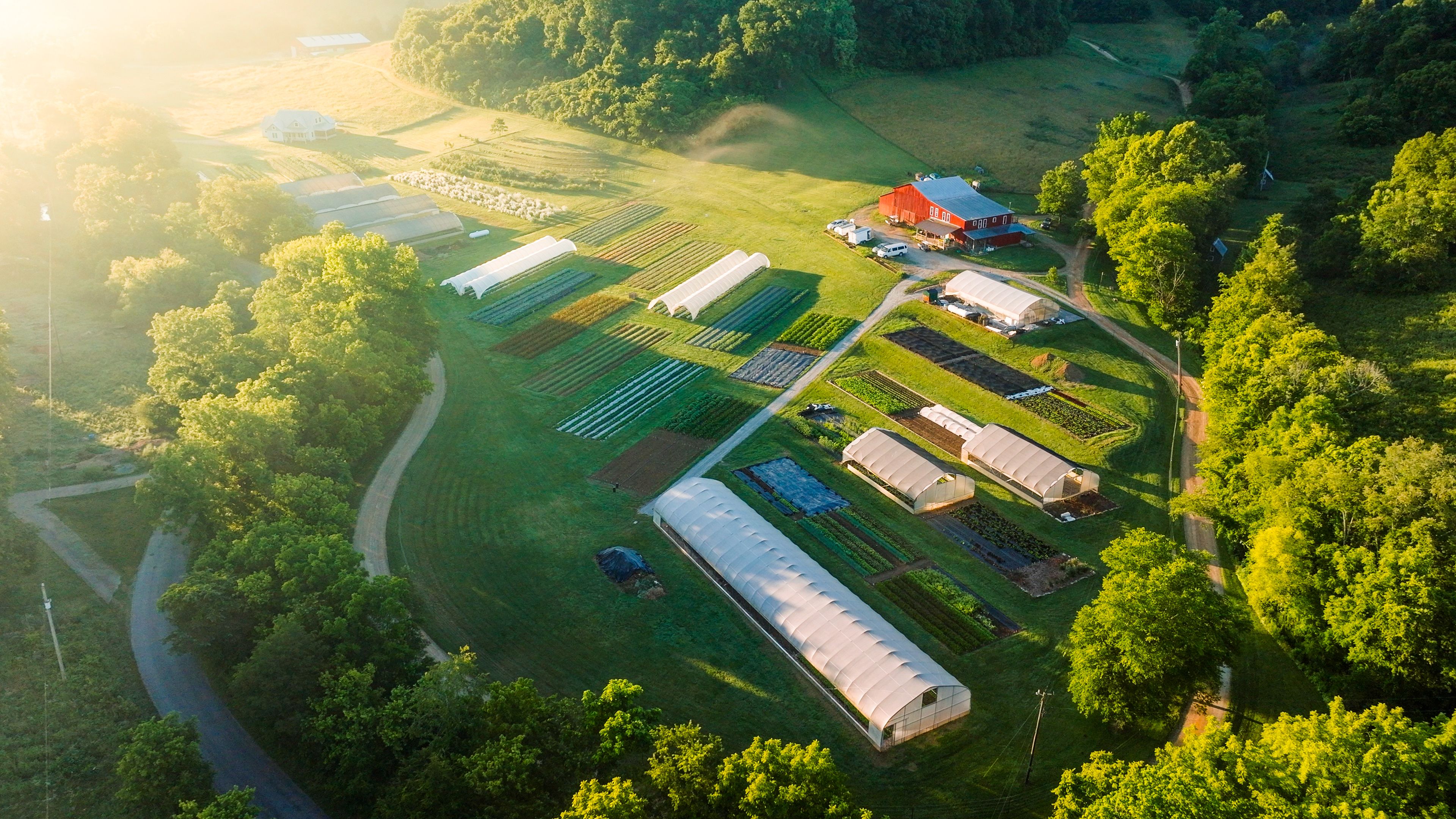
Bountiful Blessings Farm is the boyhood family farm of Farmers Friend founder and CEO Jonathan Dysinger.
In fact, Jonathan and his market farming dad John, regularly film video Q&As for Jonathan’s Farmers Friend email subscriber community.
In 2024, Bountiful Blessings Farm was featured in The Good Life, a film series developed by Farmers Friend that tells the stories of market farmers around the world.