Show Transcript
Chapter 1: Intro
0:12I'm Heidi, I'm Evan, and we are Small Axe Farm. Small Axe Farm is our home and it's also our business, and we're located in Barnet, Vermont, which is in the northeast kingdom of Vermont.
Chapter 2: Notill
0:28We're a no-till farm, so once we open beds the first time the soil never gets inverted again. It allows us to put in less amendments into the soil, we need less water, it works well with
0:38our landscape—we farm on a hillside and so not massively disturbing the soil is really important.
0:48The amount of food we produce on this one acre of land in zone four is off the charts compared to how food is produced in our industrial food system, I'm sure it's 10 times!
Chapter 3: Farm History
1:02Our farm started from just a conversation that we had well over 20 years ago when we were sitting in
1:08our apartment deciding about what we wanted to do with our lives and why we were feeling unfulfilled
1:13even though we were both doing jobs that we liked we decided that we wanted to to homestead you know
1:19we weren't quite sure what that meant just to put ourselves in a position to challenge ourselves to get back to basics build our structures grow our food we felt like that was something we really
1:28wanted to do it was a long journey between there and actually starting a vegetable farm but that was what started us off we just started saving money and then after a couple years we
1:38maybe had like seven or eight thousand dollars and we just started looking for land we found this
1:43place and i walked out to the top of the hill it's just sort of this amazing energy incredible view i
1:50kind of got a little little teary and he was like whoa whoa hold on hold on because i was like i
1:56think this is it after we bought the land for the first four years we lived out here in the summer
2:02times we planted fruit trees and built our gardens and then we built we built our cabin we got a team of old draft horses i didn't know much about them and that winter started logging with them
2:13in the first years that we were here we grew the vast majority of our own food lived really simply
2:19without electricity and running water that was kind of our intention of just like let's start with just the basics that we need so that we can really learn what we do need and what we don't.
Chapter 4: Climate
2:34We live in zone four and we're in northern vermont and we're also up at 1500 feet so we're pretty high
2:41it's a fairly cold place to grow but growing on a south-facing slope it's a warmer micro-climate
Chapter 5: Slope Farming
2:47farming on a slope is challenging in that anything on wheels doesn't work well on a slope a lot of
2:54things take a little bit longer yeah we've just adapted it's all we've ever known for farming we have to have a raised bed system to deal with erosion so that soil will erode off of our beds into the pathways which go across the hill and then that soil will go back up on the beds again.
3:11The bulk of our food goes wholesale direct to retail supermarkets food co-ops our second biggest
3:18part although it's much less this year because of coronavirus is restaurants and then direct to customers was our third i think we started with two csa shares you know a couple people
3:29in the neighborhood we started out doing home delivery we still do that although we deliver to drop spots in neighborhoods now during covid we did a lot of home deliveries again but
3:39we've mostly refined back to drop spots except for people who are really high risk we still deliver to a few folks like that.
Chapter 6: Hiring Employees
3:48In the beginning we could not pay anyone we're barely paying ourselves it was just super important for us to you know eventually get to the point where we could be successful enough that we
3:57could hire people and give people a good wage and so now we have three employees that are full-time
4:03and our son and his friends that come and bag for us those are great little starter jobs for them
4:08and it's super valuable for us and it's been really fun to have them part of it we now have
4:15a pretty big micro greens business we sell them year round and we ramp up that production in the winter when there's less local food i think we had to educate people that you want local greens
4:24in you know January well we've got local greens and i think people have really just enjoyed the fact that they can get super nutritive food you know from a local farm in the winter.
Chapter 7: OffGrid
4:39One joy and challenge of our farm is that we started off off-grid and we're still off-grid it makes everything more challenging for sure and if you want like the easy path
4:48towards having a successful profitable farm right away it's not something we would necessarily recommend if you want a good life where you're connected to land and you really
4:56understand how you are in the world a little better it's a great way to live we do have a good drilled well we only have enough power to pump a certain amount of water at once so it takes
5:05a long time to water an acre if we go through extended multi-week dry spells on the plus side we
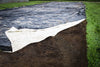
5:11grow most of our food without any power our farm has a pretty good profit margin because of that we started using silage tarps with the white side up this is how we germinate pretty much every bed
Chapter 8: Germination
5:21of greens every bit of carrots it's just what we do because we don't have access to unlimited water
5:27and for greens even though in the summertime they may only be under the tarp for 48 hours it helps us to have even germination because it's not just about moisture it's about consistent temperature
5:37everything is even and that's what seeds want part of no-till farming is learning how to flip
Chapter 9: Flipping Beds
5:44beds efficiently we try as much as possible to move stuff less and so we just develop a system
5:50of leaving all of our plant debris in our pathways we'll cut all those greens right to the soil level the string trimmer will mix some dirt into it and it will decompose really quickly then we don't
6:00have to pick it up and compost it and then bring it back i can completely flip 360 bed feet replant them in about an hour i mean i think that's how we make our one acre work for us is keep planting.
Chapter 10: Quick Cut Greens Harvester
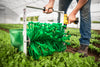
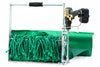
6:17The quick cut greens harvester was the most expensive tool that we bought at to that point it was like 500 read an article about it i think it was like this thing is amazing like
6:26this could change everything it made us feel like we were a part of something because it was a tool for our style of farming for what we were doing and for our scale of farming we use it every harvest day and we have for you know for eight years now I guess.
6:46We had just finished our our wash pack building the first part of it um after many years of building it in the shoulder seasons we had a friend who had asked to stay for a couple
6:56days i woke up in the middle of the night to that building on fire that night we lost we lost that
7:04farm building and i was able to go in and pull our friend kelsey out but she didn't survive the fire
Chapter 11: Community support
7:13that kind of changed our lives and changed the story of our farm the time after that has been one of the most uplifting parts of our whole lives
7:23people we didn't know from the community just showed up to help us clean up the building site and then rebuilt the building having coronavirus come people were starting to panic about
7:33food and we just started delivering food to people's houses being in a place at that time
7:40to be something that was solid in the community that other people could be like oh yeah i'm gonna have food it was a really important time for us to be realized like that's why everybody helped
7:48us because like we are important for the community and this is the time when we're really important.
Chapter 12: Slow down
8:05After our busy days it's really nice to recollect as a family share a meal together share our
8:11days with one another it's a really good time for all of us to just slow down a little bit
8:16it's pretty important time having a little profitable farm that provides jobs in the
Chapter 13: Importance of farming
8:22community and keep this community alive is really important we feel it's really vital for our state and our community to have more people farming and engaging in the land.
8:36There's a lot of people all over this planet looking for something different than what's being offered looking for a different food system looking for a different way of life looking for
Chapter 14: Freedom and independence
8:44more freedom and independence and small farming is a way to do that it just satisfies so much of who we are and how we wanted to live and who we wanted to be it's worth the hardship and the hard days.
9:00It's a hard world to be optimistic in at times but we are optimistic people and we believe there's no other way to live life.
Chapter 15: Outro
9:16Hi guys I'm Jonathan with Farmer's Friend. If you enjoyed this video, hit the like button and subscribe to see more inspiring stories like this! To learn
9:23more about our innovative, small farm tools and supplies like easy to assemble greenhouse kits,
9:27flame weeders, and a lot more, check out our website at farmersfriend.com
Be inspired by the incredible story of how Heidi and Evan have developed a thriving off-grid homestead from raw land with limited resources, plus a ton of hard work and determination! With every structure built by hand from trees cut and milled on their own land, a robust solar system to power their entire farm, and incredibly steep hillsides to farm on, there is a lot to learn from this incredible family! Learn about the recent devastating tragedy that turned their world upside down, and how it sparked one of the most uplifting experiences of their lives.
Featured Products
The Good Life is an inspirational and educational series of mini-docs and farm tours to encourage viewers to support their local farms and inspire farmers to change the world through regenerative agriculture. Please consider subscribing!
To learn more about Small Axe Farm, visit their website or follow them on instagram.
Shop Related Products