Where to Start as a New Small-Scale Farmer: Books, Courses, and Practical Advice
By Jonathan Dysinger and John Dysinger
Updated on
Show Transcript
0:00We hear a lot of questions from growers and a lot of new growers have this sentiment of there's so much to learn.
0:06Where do I start? So, I'm here with my dad who has 27 years of experience as a market farmer and we're going to be talking about this just briefly. Where do you start? It can be so overwhelming,
0:18so much information to learn, so many different topics to try to tackle. Like,
0:22what would your encouragement be to people? How do you break through all that uh that overwhelming feeling and
0:29get kind of to the you know the basics of what you have to learn to get
0:36started? Yeah, I can totally remember that very vividly just feeling totally overwhelmed. In fact, I have a very
0:45specific memory of looking at a Johnny's catalog and the green beans and you
0:52know, there's like 30 different kinds of green beans and I just felt totally overwhelmed. It's like, how in the world
1:00am I supposed to know what green beans I should grow? So, I definitely get those
1:07feelings. I've been there and just have a few suggestions.
1:14Uh again I'm from the older generation where we used to read books and in my
1:21mind there's three excellent books. I mean obviously there's many more books
1:27but to me these are the the cream of the crop and the first one is Elliot
1:34Coleman's the new organic grower. It's been updated. This is the 30th anniversary edition, but this is what I
1:43started with and in our internship program, it's still our textbook of choice. So, it's just
1:51great basic information on market gardening.
1:56And then there's also the market gardener, which when it came out was well, I think it's still very popular.
2:05JM4A. Um, just a great manual for starters. And then there's another one that's come out in the last few years,
2:15the No Till Organic Vegetable Farm. Excellent book. Any one of these three,
2:21and if you're a real reader, just read them all. It's going to give you a real foundation in in the basics of market gardening.
2:32If you're not a reader, uh obviously there's lots and lots on
2:39YouTube and I think my advice there would be to make sure you find people
2:46who are doing what you want to do successfully. You know, there's a lot of of quotes,
2:54experts out there on YouTube with a lot of different um ideas and advice and you
3:02know, a lot of it's good, but I don't know that it's all good. And so, find people who are doing it
3:08successfully. Um, just a few names I would recommend.
3:14Uh Connor Crickmore has a course actually an online course and this is
3:21what I would really recommend if you learn by seeing um Connor Crickmore has a very extensive course online.
3:31JM4ier the market gardener also has a very extensive online course. Uh Ben Hartman has a lot of online information.
3:42and Ben Hartman is the lean farm.
3:45Um, so those are some good places to start. I'm sure there's there's others that are also good, but those are
3:54excellent. Then the other thing I would really encourage is find somebody who's
4:00doing it locally and successfully and just see if you can spend time with them. You know, you got to be sensitive
4:08to the fact that farmers are busy, but if you offer your time for free to help
4:16in exchange for some knowledge, most farmers I think might take you up on that. And then I guess the last thing I
4:24would say is just start small ideally and make small mistakes. Mhm. You know,
4:33um if you go into it whole hog, you're going to make some big mistakes, but if you can start small and
4:42just learn how to grow stuff and grow it successfully and then expand from there,
4:49I guess those are some thoughts I would have. Yeah. Um, yeah. I mean, along the line of starting small, just maybe
4:58picking a a handful of crops, I think the tendency is to look at the Johnny's catalog and just be like, "Oh, I want to
5:06try that and I want to try that." And next thing you know, you've got 50 different varieties and and it's going to be hard to hard to succeed at that.
5:14So, yeah, pick the the staples and go from there. On the topic of courses too,
5:20there's also like if if somebody was wanting to just focus on like growing lettuce, which is a good cash crop, fast
5:27turnover, whatever. I think Ray still has his lettuce master class, which is just specifically about uh perfecting
5:35lettuce production. Yeah. Which is is also Ray Tyler Rose Creek Farm. That's that's an excellent place to start
5:44because I think most market gardeners learn fairly early on that
5:50lettuce is king on the market farm and um that's going to be your main crop
5:58probably. Yeah. So, learning how to do that well year round is is huge for sure. Well, I think those are some great tips.
6:09Um, the books, I think we have all of those books, at least most of them available on the Farmers Friend website.
6:15So, feel free to go purchase them there and support us if you would like. Um,
6:20yeah. Any other final thoughts before we wrap this one? I think I think it's some really good pointers. I mean, yeah,
6:27there it is.
6:31just face the fact that it it is going to be overwhelming at first. Starting a
6:37farm from scratch is a huge job and you know don't feel bad that you feel
6:44overwhelmed cuz that's kind of where where you start. Yeah. And the only way to get over that is to get some
6:53experience under your belt and and have some successes and some failures. You
7:00know, keep track of what you do so you know what not to do the next year or what to do. Yeah, definitely. Um yeah,
7:10you just kind of have to break it down to like what's the next thing, you know,
7:13what's the next thing. You can't get overwhelmed just by the hundreds of decisions that have to be made and just
7:20get get decision fatigue. You just kind of have to have the whole big picture and then narrow it down to like what has to be done this week and yeah, start
7:30small and read books. So, hope that information's been helpful and if you have any other questions, uh, feel free
7:37to reach out to our customer service team at farmersfriend.com. Until next time, happy growing.
7:44[Music]
If you're overwhelmed by everything you need to learn to start a market farm, begin with three foundational books: Eliot Coleman's *The New Organic Grower*, Jean-Martin Fortier's *The Market Gardener*, and Daniel Mays' *The No-Till Organic Vegetable Farm*. Supplement with online courses from Connor Crickmore, Fortier, or Ben Hartman. Find a successful local farmer to learn from in person. Then start small — pick a handful of staple crops, make small mistakes, and expand from there.
"Where do I even start?"
That's the question we hear more than almost any other from new and aspiring market farmers. There's so much to learn — soil, seeds, irrigation, tunnels, pest management, marketing, business planning — that the sheer volume of information can paralyze you before you ever put a seed in the ground.
My dad, John Dysinger, remembers this feeling vividly. He has a specific memory from the early days of Bountiful Blessings Farm — opening the Johnny's catalog to the green bean section and seeing 30 different varieties. The overwhelm was instant. How in the world was he supposed to know which green beans to grow?
If that feeling sounds familiar, you're in good company. Here's how to cut through it and get started with a real foundation.
What Are the Best Books for Beginning Market Farmers?
If you're a reader, three books will give you a comprehensive foundation in the basics of market gardening. You don't need to read all three before you start — any one of them is enough to get going — but together they cover the full picture.
The New Organic Grower by Eliot Coleman
This is the book my dad started with, and it's still the textbook in the Bountiful Blessings Farm internship program today. Now in its 30th anniversary edition, it covers everything from soil management and crop rotation to tools, harvesting, and marketing. Coleman is widely considered the pioneer of small-scale organic market farming, and this book is the foundation that everything else builds on.
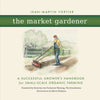
The Market Gardener by Jean-Martin Fortier
When this book came out, it was an immediate hit — and it's still one of the most popular market farming books in print. Fortier runs a highly profitable micro-farm in Quebec and lays out his entire system in practical, replicable detail. It's particularly strong on efficiency, planning, and making a real living from a small acreage.
The No-Till Organic Vegetable Farm by Daniel Mays
This is a more recent addition to the canon and an excellent book for anyone interested in no-till or minimal-till approaches. Mays covers everything from establishing beds and managing weeds without tillage to business planning and community engagement. It's been called "The New Organic Grower for our generation" — and that's not an exaggeration.
If you're a reader, read all three. They overlap in places but each brings a distinct perspective. If you only read one, start with whichever approach resonates most with where you want to take your farm.
What If I'm Not a Reader?
There's no shortage of YouTube content about market farming, but my dad's advice here is important: find people who are doing what you want to do successfully. There are a lot of self-proclaimed experts online with a lot of different ideas, and not all of it is good. Seek out farmers who have proven track records of running profitable, sustainable operations.
A few names worth following:
Connor Crickmore (Neversink Farm) — Has an extensive online course that my dad specifically recommends for visual learners. Crickmore runs one of the most well-known small-scale vegetable operations in the country.
Jean-Martin Fortier — In addition to his book, Fortier offers a comprehensive online course through the Market Gardener Institute. It's a deep dive into his entire production system.
Ben Hartman — Author of The Lean Farm, Hartman has extensive online content focused on efficiency and lean principles applied to farming.
Ray Tyler (Rose Creek Farms) — If you want to focus specifically on lettuce production — which is arguably the single most important crop for market farm profitability — Ray Tyler has a lettuce master class that goes deep on year-round Salanova and head lettuce production. Most market farmers learn fairly early that lettuce is king, and learning to do it well year-round is a huge step toward profitability.
Why Is Hands-On Experience So Valuable?
Books and courses are essential, but my dad puts it bluntly: experience matters more than knowledge. You can read every farming book available and still struggle with the realities of managing crops, weather, and a business simultaneously.
His strongest recommendation for anyone serious about starting a farm: find a successful local farmer and spend time with them. Offer to work for free in exchange for knowledge. Be sensitive to the fact that farmers are busy people — but most won't turn down genuine help from someone who's eager to learn.
The advantage of local experience is that you're learning from someone who knows your climate, your soil, your pest pressures, and your market. A book written in Maine or Quebec will teach you principles, but a farmer down the road will teach you what actually works where you live.
You can either make your own mistakes or learn from someone else's. The second option is a lot cheaper and a lot less discouraging.
How Should a Beginner Approach Crop Selection?
Start small and grow staples.
The temptation — and my dad lived this — is to open the Johnny's catalog and order 50 different varieties because everything looks exciting. But trying to grow too many things at once is a recipe for mediocre results across the board.
Pick a handful of proven, high-demand crops. Lettuce, salad mix, radishes, carrots, and a few summer staples like tomatoes and cucumbers are a good starting lineup. Learn to grow those well. Build your customer base around them. Then expand into new crops as your skills and systems develop.
The adventurous stuff — the unusual varieties, the exotic greens, the crops your customers have never heard of — can come later. First, get profitable with the basics.
The Takeaway
Starting a market farm is overwhelming. That's not a sign you're doing it wrong — it's just what the beginning looks like. Every successful farmer you admire went through the same feeling.
Read the books (or take the courses). Find a mentor. Start small. Pick staple crops. Make small mistakes instead of big ones. And accept that the learning curve is real — my dad says he spent probably the first 15 years feeling like he was still figuring it out. That's normal. Keep going.
The only way to get past the overwhelm is to get some experience under your belt — some successes and some failures. Keep track of what you do so you know what to repeat and what to change. Break the big picture down to what needs to happen this week, and do that. Then do the next thing.
You'll look back in a few years and be amazed at how far you've come.
Frequently Asked Questions
Three books form the foundation: Eliot Coleman's The New Organic Grower (the classic starting point), Jean-Martin Fortier's The Market Gardener (modern micro-farm efficiency), and Daniel Mays' The No-Till Organic Vegetable Farm (comprehensive no-till approach). Any one of them is enough to get started; all three together give you a complete foundation.
Connor Crickmore's Neversink Farm course is highly recommended for visual learners. Jean-Martin Fortier offers an extensive course through the Market Gardener Institute. Ben Hartman provides online content focused on lean farming efficiency. Ray Tyler's lettuce master class is excellent if you want to focus on what many consider the most profitable market farm crop.
Strongly recommended. Find a successful farmer in your area and offer to work in exchange for knowledge. Local experience is especially valuable because you'll learn what works in your specific climate, soil, and market — not just general principles from a book written in a different region.
Start with a small selection of proven staples: lettuce, salad mix, radishes, carrots, and a few summer crops like tomatoes and cucumbers. Learn to grow these well and build your customer base before expanding into unusual or exotic varieties. Most successful market farmers learn early that lettuce is the most important crop on the farm.
Accept that overwhelm is normal and temporary. Break the big picture into what needs to happen this week. Read one foundational book to give yourself a framework. Start small so your mistakes are small. And find a mentor — learning from someone else's experience is dramatically faster than figuring everything out on your own.
Neither extreme works well. Relying on a single crop is risky — one bad season can wipe you out. But growing 50 different things spreads you too thin and makes it hard to do anything well. Start with 5–10 staple crops with proven market demand and fast turnaround, then diversify gradually as your skills and systems mature.
Shop Related Products

The New Organic Grower
The Market Gardener
