What to Do When Your Market Garden Isn't Making Money
By Jonathan Dysinger and John Dysinger
Updated on
Show Transcript
0:00we recently asked some of our customers how they're feeling about the upcoming growing season and we're going to go over an answer we got with you all today I'm here at Bountiful blessings farm
0:08with my dad John Dysinger and today we're going to be reviewing a comment we got from
0:16Candy she says this year I am on the fence about what to do for the future I feel like I'm spinning my wheels working
0:23way too hard and still losing money I'm 100% sure it's mismanagement in my part and yet I'm not sure I have what I need
0:31to make it a success but I also love growing food so much and I love our customers so much I can't imagine my
0:38summer without them so it's definitely a battle in my heart God bless you for the Innovations you do for us I love love
0:45love that you created a rebar post puller those little things make huge help for us uh I didn't ever think I
0:53would hear that kind of a Rave report on the post pounder or the post puller that we we did but that's cool all right well
1:00dad what kind of feedback or or thoughts would you have for candy I'm sure you know in the 27 years 26 years that you
1:09guys have been farming um there's probably been Springs where you had a very similar feeling of discouragement
1:17and like wanting to to continue pressing on but just you know struggling with the
1:25realities of you know previous failures and whatever else you know so yeah I can
1:32definitely relate candy to your your feelings your your angst your um you
1:40know that that um battle between loving what you do but feeling you're not very good at it and um feeling like you
1:49really don't know what you're doing I feel like I spent probably the first 15 years feeling that um so it it's
1:59definitely you know a learning curve and it takes a lot of time to to figure out the nuances you know it
2:08doesn't take much time to learn how to prepare beds and broadfork and you know
2:15whatever but all the nuances take a lifetime to really master so you know
2:21you said here um I'm not sure I have what I need to make it a
2:28success but I also so love growing food so much I love our customers so much you
2:35know to me that says you do have what it takes I just want to encourage you with that um you love what you do which
2:43is you know vital to be a success at it and and um you know and to me that's the
2:52best marketing if you love your customers they're going to love you and that's the best marketing you can do do
3:00so I I would hate for you to be discouraged but obviously you're struggling with you know actually making
3:08money at it which is the challenge most of us have struggled with at some point or
3:16other um I I think there's a few things I would like to suggest you know there's
3:23probably a lot of things we could suggest but number one um I wanted to bring down here I didn't do it but the
3:32the lean Farm by Ben Hartman um I highly highly recommend that book if you haven't read it um that
3:41was a real game Cher for us on the farm here when we read that book because it's all about learning to farm
3:50efficiently and um developing systems and so I'm guessing that that's
3:59probably something you're lacking is just having the systems and and and
4:06having the efficiency in place you know and really focusing
4:12on profitable things rather than unprofitable and so a second thing I
4:20would say so my first recommendation is read the lean Farm if you've already read it read it again you know it's a
4:28book you need to read read again and again um secondly focus on crops that are
4:37really making you money and you know there's a lot of metrics for that and in the book The Lean farm he gives a number
4:45of those different ways to kind of measure profitability one I was just reading
4:50about the other day was um dollars per day per crop so if you know
5:00you can make X number of dollars off of radishes on a bed you know and you get
5:08approximately this many Bunches of radishes those radishes depending on the time of year you know they're only in
5:15the ground for 20 to 30 days basically
5:21so you take the the money you've got and divide it by the number of days it's
5:30days to harvest yeah in the ground and then that gives you a dollars per day that you're actually making from
5:38that crop maximizing the the dollars per day
5:44yeah high yield high high turn then you start you start looking at your crops and saying okay how you know you can
5:52have some profitable crops or they appear profitable you know like say ginger um which can be profitable but
6:01you know it's in the ground a long time yeah so you have to think about all that so that's one thing another thing I would
6:09encourage is focus on the basics and by that I mean um and you
6:19know we've learned all of these things the hard way but um most people want orange carrots you know you can grow the
6:29purple and the white and and the red or whatever and there'll be a few adventurous people that want to try them
6:37but most people just want red carrots I mean orange carrots and red tomatoes and red watermelons not that
6:45you probably should be growing watermelons but um you get the idea yeah um I remember one year when Kirsten and
6:54Paul and uh Caroline and I were doing our summer production we grew a mix of red okra and green okra and
7:03here in the South everybody just wants green okra they don't you know and so we grew it together harvested it together mixed it together and presented it at
7:12Farmers Market as a green and and purple okra mix and people would come along and pick out all the green and leave us with
7:19purple so yeah that's a good good point we stopped growing the red okra because there just wasn't the market so really
7:28make sure you're focused on the profitable crops and what people want um so those are a few suggestions
7:37I'm sure we could come up with more yeah well I was going to ask so I'm sure there's some things that stand out over
7:44the years that you've implemented whether that's some new tools or new processes or something but can you think of anything that really stands out as
7:53like a gamechanging kind of um process that you implemented that didn't like
8:01cost a lot of money I mean obviously there's some things like we're in the the propagation tunnel I know that you like doing concrete on the floors was a
8:09big Improvement stuff like that but that's that's stuff that you can afford to do when you're a little more profitable but like things that that pretty much anybody could do on a fairly
8:17tight budget as they're starting out like anything that stands out that's kind of GameChanger yeah I mean I I
8:25don't want this to be a farmers friend um advertis I mean we're not going to
8:32complain but two things that stand out to me with that is number one covered
8:39growing space you know we just are putting up another tunnel um because you
8:46can't have too many you know the quality the environment yeah the quality of the product and being able to work in the
8:54rain you know being able to work year round and um control the environment on
9:01ome small level is huge so you know get you some covered growing space and and
9:09then the second thing that we've just really started using in a big way in the
9:15last few years is the quick plant Fabric and it really hit me this last year with our
9:23interns you know in in years past the interns spend an awful lot of time cultivating
9:30ating and this last year I mean they spent very little time
9:36cultivating and most of their time harvesting and you know when you read Ben Hartman's the lean Farm you know
9:45cultivation is is muda he calls you know waste it's you're not make making money from
9:52cultivating but you are making money from harvesting so yeah those those two things have made a big difference and
10:01you know I I I know that there's the downside to using um
10:09petroleum products and you know I'm not saying it's the ultimate solution but you know on some point when you're
10:15starting out you just got to you got to make it work you got to you got to start turning a profit and and you know it may
10:24be a intermediate step yeah but at least invest in in product that's UV treated UV stabilized that's going to last many
10:34years you know so it's ideally not just single use Plastics I mean we've had landscape fabric that we used for 10
10:41years and you know not more than that yeah so so that's a at least a a good investment yeah and you know quick plant
10:50Fabric's great it's already got the holes burned in it you just roll it out plant but there is a premium for for
10:57that you know value add that we do so you know if somebody's really on a budget they can still buy just the the plain material and burn the holes
11:05themselves and maximize that so yeah yeah for sure but I mean I think that's the takeaway I mean what about just
11:11simple things like um you know watering timers just hose bib you know timers that you can just set your irrigation
11:20and not have to uh worry about it how how much have you guys utilized stuff like that well not much okay
11:29I mean we should um and someday we will yeah but yeah but
11:38you know I mean as far as irrigation goes at least having um access easy access to
11:47irrigation at every pad y you know yeah I I remember um some who've been around a
11:57while know the um farmer to Farmer podcast that was I think the first small farm one that came
12:05out yep Chris Blanchard he interviewed Connor crickmore and that interview with Connor crickmore really changed the
12:14course of our farm because he talked about how if you have to do anything more than turn a valve to water a section it's not going
12:24to get enough water and that really impressed me and made
12:30us yeah get our irrigation up to that so the most we have to do is turn a valve
12:37so permanent permanent irrigation setups you moving moving sprinklers around yeah
12:43for sure that's big cool well we don't want to get too long- winded uh we could probably go for hours on ways to improve
12:53efficiency and uh you know improve your operation but uh we don't want to overwhelm candy I think the takeaways
13:02from from this conversation that I'm taking away is uh read the lean farmer
13:09uh invest in high value crops fast turnaround turnover crops that are producing High Revenue but at the same
13:18time not going not falling for the Trap of you know trying to get the the flashy uh you know blingy crops just grow the
13:27the standard red tomatoes and green okra and and uh that the stuff that people know um at the end of the day and then
13:36invest in you know some some systems to control weeds uh whether you know use of silage
13:43tarp or quick plant fabric um and uh yeah any last
13:50takeaways I just want to encourage candy um don't give up yeah don't give up hang in there you know like I said you've got
13:58the right attitude and um just just keep refining
14:05those systems and success will come I believe it yeah definitely well thanks
14:12for watching I hope this is a encouragement to not only candy but the rest of you watching as well um a lot of people that have tried to make a go at
14:20farming can can relate probably everybody that's tried to make a go at uh small scale vegetable production uh
14:27can relate to these challenges so um until next time happy growing
If your market farm is losing money despite hard work, the problem is almost always systems and efficiency — not effort or passion. The fastest path to profitability is to read Ben Hartman's *The Lean Farm*, ruthlessly focus on high-revenue crops with fast turnaround, grow what your customers actually want (not what's trendy), and eliminate weed management labor with tools like landscape fabric and covered growing space.
We recently asked our customers how they're feeling about the upcoming growing season, and one response stopped us in our tracks.
Candy wrote: "This year I am on the fence about what to do for the future. I feel like I'm spinning my wheels, working way too hard and still losing money. I'm 100% sure it's mismanagement on my part, and yet I'm not sure I have what I need to make it a success. But I also love growing food so much and I love our customers so much I can't imagine my summer without them."
If that hits close to home, you're not alone. My dad, John Dysinger, has been farming at Bountiful Blessings Farm for 27 years, and he told me he spent probably the first 15 of those years feeling exactly the same way — loving the work but wondering if he'd ever actually figure it out.
So we sat down in a recent video to talk through what we'd tell Candy — and anyone else who's in that place of loving the farm but struggling with the business side.
What Does It Take to Make a Small Farm Profitable?
Here's the first thing my dad said when he read Candy's message: "You said you're not sure you have what it takes. But you also said you love what you do and you love your customers. To me, that says you do have what it takes."
He's right. Loving what you do is vital. And if you love your customers, they're going to love you back — and that's the best marketing you can do. You can teach someone systems. You can teach them efficiency. But you can't teach the kind of genuine care Candy clearly has.
The basics of farming — bed prep, broadforking, seeding — don't take long to learn. What takes years are the nuances. My dad says those nuances take a lifetime to truly master. So if you're a few years in and feel like you're still figuring it out, that's not a sign you're doing it wrong. That's what the learning curve actually looks like.
The question is: how do you start turning a profit while you're still on that curve?
Read The Lean Farm — Then Read It Again
If my dad could recommend one thing to a struggling market farmer, it would be Ben Hartman's The Lean Farm.
This book was a genuine game-changer at Bountiful Blessings Farm. It's built around the concept of lean production — identifying and eliminating waste in every part of your operation so you can focus your time and energy on the things that actually make money.
My dad's guess for most struggling farms — and it was his own experience too — is that the missing piece is systems and efficiency. You're working incredibly hard, but the work isn't organized in a way that turns effort into profit. The Lean Farm gives you a framework for fixing that.
And this isn't a read-it-once book. My dad says you need to read it again and again. Every time you come back to it, you'll see something new that applies to where your farm is right now.
How Do You Know Which Crops Are Actually Profitable?
This is where a lot of market farmers get stuck. You're growing a variety of things, selling at market, and it feels like you're busy — but the money isn't there.
One of the most useful metrics from The Lean Farm is dollars per day per crop. Here's how it works:
Take the revenue you earn from a crop on a given bed. Divide it by the number of days that crop was in the ground. That gives you a daily dollar figure for how much that bed is actually earning.
A crop like radishes might not seem like a big revenue item, but they're only in the ground for 20–30 days. When you look at the dollars-per-day number, they can be extremely profitable because of the fast turnover. You harvest, replant, and that bed is earning again quickly.
Compare that to something like ginger, which can be profitable but ties up a bed for months. On a dollars-per-day basis, it looks very different.
Once you start evaluating your crops this way, you'll quickly see which ones are pulling their weight and which ones are eating up bed space without paying rent. Focus your energy on the high-revenue, fast-turnaround crops — and be willing to drop the ones that aren't working financially, even if you enjoy growing them.
What Crops Should Market Farmers Focus On?
Here's a lesson my dad learned the hard way, and it's one of the simplest pieces of advice we can offer: grow what people actually want to buy.
Most customers want orange carrots, red tomatoes, and red watermelons. You can grow purple carrots, heirloom tomatoes in every color, and exotic varieties — and there will be a few adventurous buyers. But most people just want the basics, grown well.
My dad has a great story about this. One summer, the family grew a mix of green okra and red okra — both harvested together, mixed together, and presented at the farmers market as a colorful blend. Customers would come along, pick out all the green okra, and leave the purple behind. They stopped growing red okra after that because the market simply wasn't there.
It's tempting to chase the flashy, unique crops that feel exciting. But if you're struggling to make money, doubling down on the staples that your customers actually reach for is almost always the smarter move.
What Changes Make the Biggest Difference on a Tight Budget?
We asked my dad to think about game-changing improvements that don't require a big investment — things a farmer on a tight budget could implement right away.
1. Get Some Covered Growing Space
This one does cost money, but the return is enormous. Even a single caterpillar tunnel dramatically changes what you can produce. You can work in the rain. You can grow year-round. You can control the environment on at least some level, and the quality of your product goes up significantly.
My dad is still putting up new tunnels every year after 27 seasons. As he puts it, "You can't have too many." The weather keeps getting more unpredictable — this spring, without multiple tunnels, Bountiful Blessings Farm would have been in serious trouble from the relentless rain.
2. Eliminate Weed Labor with Landscape Fabric
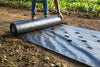
This was the insight that really hit home for my dad in recent years. At Bountiful Blessings Farm, they started using Quick-Plant Fabric in a big way, and the impact on labor was dramatic.
In previous years, their interns spent an enormous amount of time cultivating — hoeing, weeding, managing weed pressure bed by bed. With Quick-Plant Fabric, the interns now spend very little time cultivating and most of their time harvesting.
As Ben Hartman frames it in The Lean Farm, cultivation is muda — waste. You're not making money when you're weeding. You are making money when you're harvesting. Anything that shifts your labor hours from weeding to harvesting is a direct profitability improvement.
If the pre-burned Quick-Plant Fabric is more than your budget allows right now, you can buy plain landscape fabric and burn the holes yourself. Just make sure whatever you use is UV-stabilized so it lasts multiple seasons — my dad has had landscape fabric last 10 years. It's not single-use plastic; it's a long-term investment.
3. Set Up Permanent Irrigation
This one costs very little but saves enormous amounts of time. The principle is simple: if you have to do anything more than turn a valve to water a section of your farm, that section isn't going to get enough water.
My dad credits a specific podcast interview for changing his approach — Chris Blanchard's Farmer to Farmer podcast, where Connor Crickmore talked about this exact principle. It made such an impression that Bountiful Blessings Farm overhauled their irrigation so that every growing area is on a permanent setup. No more dragging hoses and sprinklers around. Just turn a valve.
It's a one-time investment in plumbing and fittings that pays dividends every single day of the growing season.
The Takeaway
If you're working hard on your market farm and still not making money, the answer almost certainly isn't to work harder. It's to work smarter — to build systems that eliminate waste and focus your limited time on the activities that actually generate revenue.
Read The Lean Farm. Evaluate your crops on a dollars-per-day basis. Grow what your customers actually want. Invest in covered growing space and weed prevention. And set up your irrigation so it doesn't eat your day.
And if you're in Candy's shoes right now — loving the work but feeling discouraged — don't give up. My dad spent 15 years feeling the same way before things clicked. You've got the right attitude. Just keep refining your systems, and the profitability will come.
Frequently Asked Questions
The most common reason is a lack of systems and efficiency, not a lack of effort. Many beginning farmers work incredibly hard but haven't yet organized their operations to minimize waste and maximize revenue per hour of labor. Ben Hartman's The Lean Farm is the best starting point for building that framework.
Calculate the dollars per day per crop: divide the revenue from a bed by the number of days that crop was in the ground. This reveals which crops are earning the most per unit of time. Fast-turnover crops like radishes often outperform slower crops that tie up bed space for months, even if the per-harvest revenue looks similar.
High-revenue, fast-turnaround staple crops tend to be the most profitable — things like salad greens, radishes, and standard varieties of popular vegetables. Avoid the trap of chasing trendy or unusual varieties at the expense of growing what your customers consistently buy. Most market customers want orange carrots, red tomatoes, and familiar greens.
The Lean Farm by Ben Hartman applies lean manufacturing principles — originally developed in Japanese auto factories — to small-scale farming. It teaches you to identify and eliminate waste (muda) in every part of your operation so you can focus time and energy on profitable activities like harvesting and selling. It's widely considered essential reading for market farmers.
Landscape fabric with pre-burned planting holes, like Quick-Plant Fabric, can dramatically cut weeding labor. At Bountiful Blessings Farm, switching to fabric shifted intern labor from mostly cultivating to mostly harvesting. If budget is tight, you can buy plain UV-stabilized landscape fabric and burn holes yourself — it can last up to 10 years.
Yes. Even a single tunnel extends your season, improves crop quality, lets you work in bad weather, and protects against the increasingly unpredictable weather that can wipe out unprotected crops. A caterpillar tunnel is the most affordable entry point for covered growing space and can pay for itself within a season or two.
Not necessarily. Most successful market farmers went through years of learning and refining their systems before becoming consistently profitable. If you love the work and love your customers, you have the foundation — you just need to build better systems around it. Focus on efficiency, track your numbers, and be willing to cut unprofitable crops.
Shop Related Products

The Lean Farm