EQIP High Tunnel Funding: A Farmer’s Experience
Last year, Brandon Balsbaugh lost his entire potato crop. It was so rainy in Middle Tennessee that the plants waterlogged and rotted in the ground before he could harvest. This year, he moved the potatoes into his new high tunnel and they did great!
Updated on
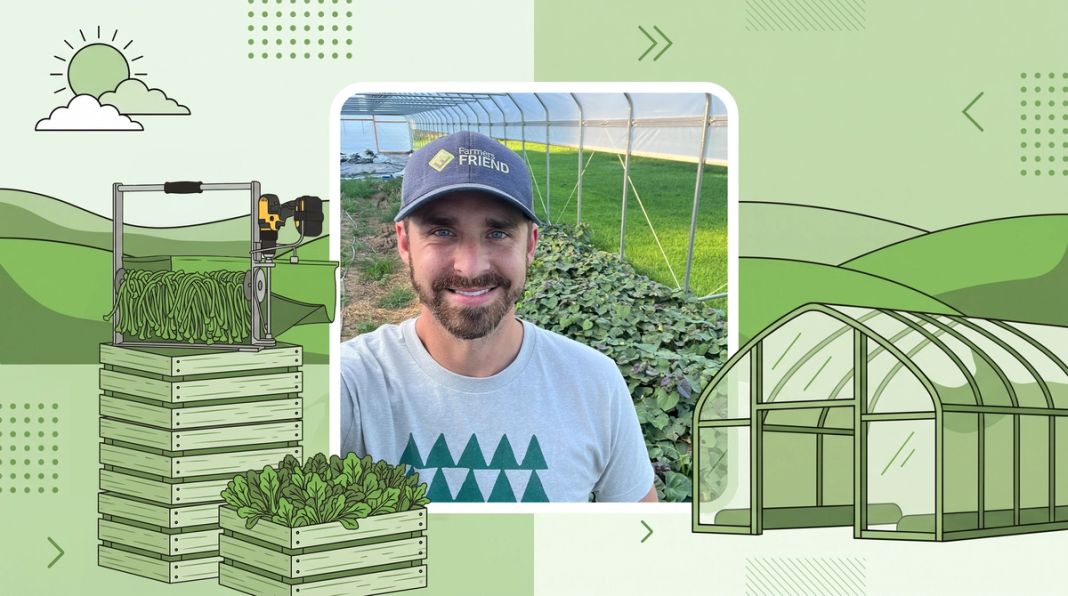
Brandon used the USDA NRCS Environmental Quality Incentives Program (EQIP) cost share program to cover the cost of his high tunnel, and he wishes he hadn’t waited so long to apply.
From 1.5 acres to 15
Little Seedlings Farm started in 2015, when Brandon and his family moved from a house in town to an acre and a half in Ohio, mostly just to grow their own food. A farming conference and a lot of homework on small market farms pulled them further in. Within a year they were selling at a local market, and soon after, they landed a standing order with an organic juice bar supplying a couple bushels of cucumbers every few days for its morning juice.
The name Little Seedlings Farm has followed the family through three properties since, including six months spent living in an RV between moves. They've been on their current 15-acre Tennessee property for about three and a half years, with roughly half an acre in active production.
Today the farm grows a mix of vegetables, supplies a handful of veggie subscription boxes, sells cut flower bouquets, propagates nursery starts, and, the local favorite, grows and sells mums each fall, almost entirely direct to customers off a roadside sign and a Facebook post. They've sold out three years running.
Why a straight-wall tunnel mattered
Brandon had grown in high tunnels before. A large one in Ohio, then a couple of low, hoop-style, caterpillar tunnels at an earlier Tennessee property.
At 6’1”, Brandon is a big guy. Working in caterpillar tunnels was limiting. He couldn’t stand up along the sides or run equipment, and trellising was only possible in the middle beds.
When he set up Little Seedlings Farm at its current location, he knew having a larger tunnel with straight-wall sides was going to be the standard for his high tunnels moving forward.
Applying for EQIP high tunnel funding
Brandon first heard about the EQIP High Tunnel program from a friend who'd gotten two tunnels through the NRCS a few years earlier. His first move was simply walking into the local NRCS office. The program lead wasn't in, but someone else got him started on the application.
The timing wasn't ideal. The office had just added staff, then lost much of the staff to budget cuts shortly after. Communication went quiet for months, and nobody came out to inspect the farm until Brandon pushed to reconnect. Once he reached a staffer who took over communication, though, the process moved smoothly.
One requirement caught him off guard: NRCS wanted to see the tunnel site already under active cultivation, with actual crops or at least crop residue, before approving funding. His site was just grass. So he put down a silage tarp and worked the ground.
Brandon believes not having evidence of active cultivation on the future tunnel site cost him a spot in the first funding round. He wasn't approved that year, but was approved the next.
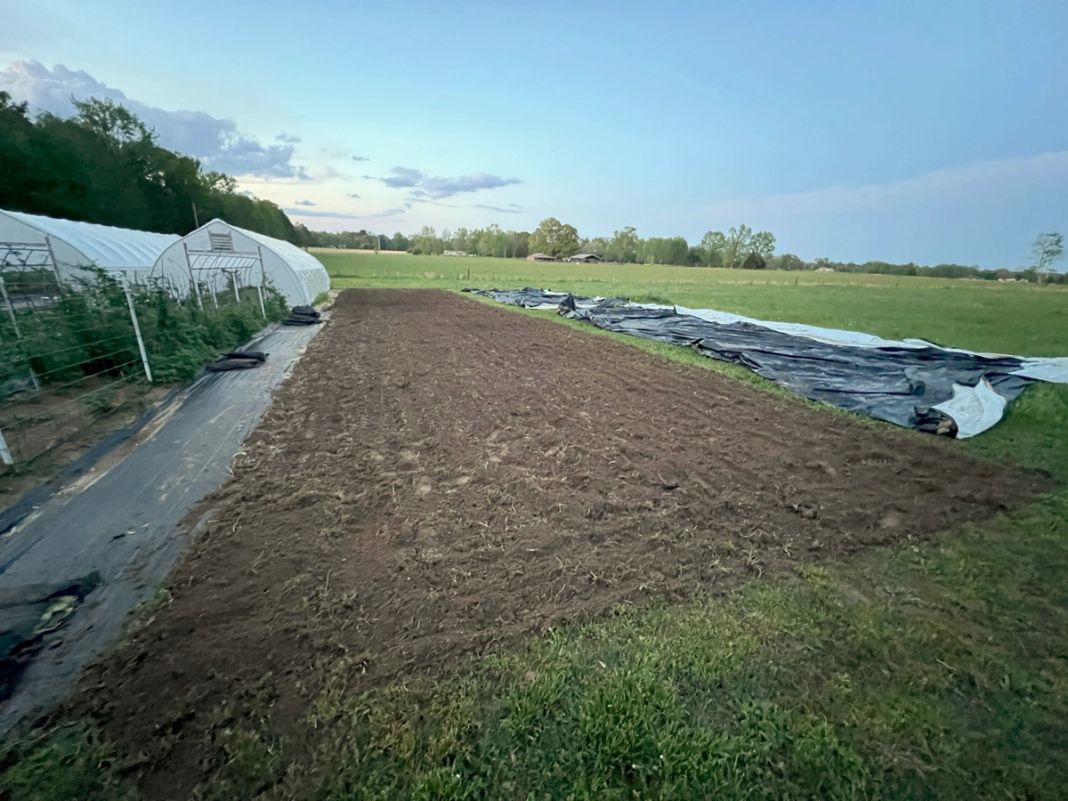
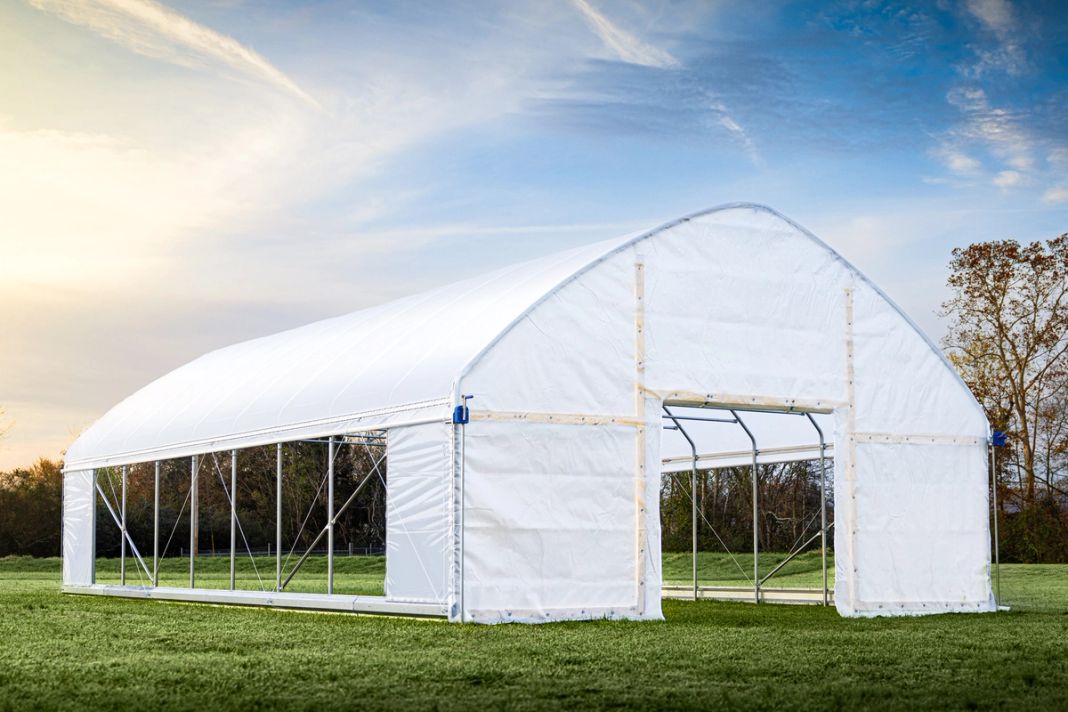
The duration from the first application to full approval took the better part of a year, with roughly nine months of silence being the hardest part. “You're just waiting,” he said. “There's not really any updates.” Once approved, he had about nine months to complete construction and pass inspection before the funding deadline. This timeline is standard for the program's fiscal-year cycle. He finalized his tunnel choice, a 21' x 108' Guardian from Farmers Friend, in July 2025, and had it built and signed off by March 2026.
What the EQIP high tunnel grant covered
Brandon was pleasantly surprised by the cost share: $6.97/sq ft. It covered the tunnel structure, end walls, and even some installation costs. He paid a few friends to help him raise it, mostly on his own timeline. He noted the per-square-foot rate had risen a couple of dollars from what a friend was reimbursed just two years earlier, which he took as NRCS adjusting its rates to keep pace with real costs.
The catch: with EQIP, farmers front the money. Reimbursement comes after construction and inspection, so having capacity to invest the initial funds is critical.
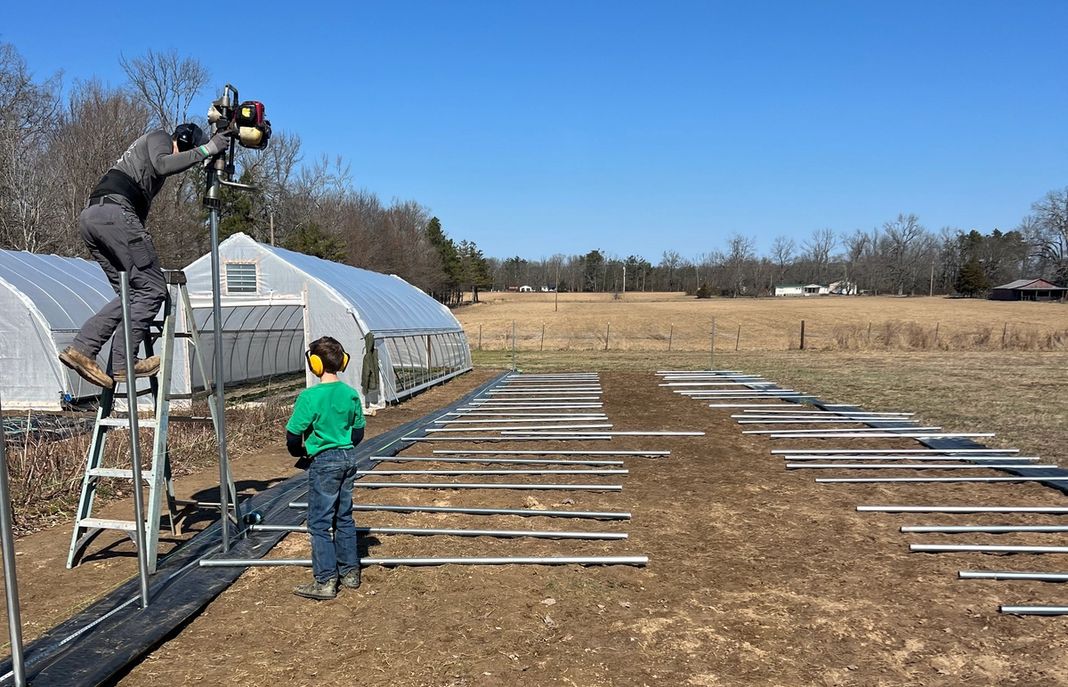
How did this EQIP-funded high tunnel change the farm?
Beyond saving the potato crop, the new tunnel gives Brandon controlled drip irrigation and real protection from rain, as long as the sidewalls get rolled down before a storm hits. Season extension, his original goal back in Ohio, turned out to matter less in Tennessee where winters are mild enough that cold-hardy crops thrive with only modest cover. The real value has been shelter from intensifying rain, wind, and pest pressure. This year marks the farm's first full winter garden for its subscription boxes, something Brandon has wanted to pull off for years.
His advice to other farmers
“It's not as hard as it sounds,” Brandon said. “Just go talk to them right off the bat. The local NRCS office,” he pointed out, “exists specifically to help farmers navigate funding.”
He’s been thinking about other opportunities in the same program, like livestock barns, hay storage, fencing, and water development—and plans to apply again.
EQIP high tunnel funding lessons from Brandon’s experience
- Get the site “farm-ready” before you apply. NRCS wants to see active cultivation, real crops or crop residue, on the proposed tunnel site. An empty lot, even one you fully intend to farm, may cost you a spot in that year's funding round.
- Expect a slow, quiet process. Nine months between application and word back was typical in Brandon's case, with long stretches of no communication in between. Build that timeline into your planning.
- Once approved, the clock moves fast. Construction and inspection generally need to wrap within the funding year, about nine months in Brandon's case.
- You'll need to front the cost. Reimbursement comes after the tunnel is built and inspected, unless you can arrange a delayed payment plan with your supplier.
- A local office visit is the best first step. Brandon's advice to any farmer considering it: stop by in person and ask what's available. Helping with funding is the office's job.
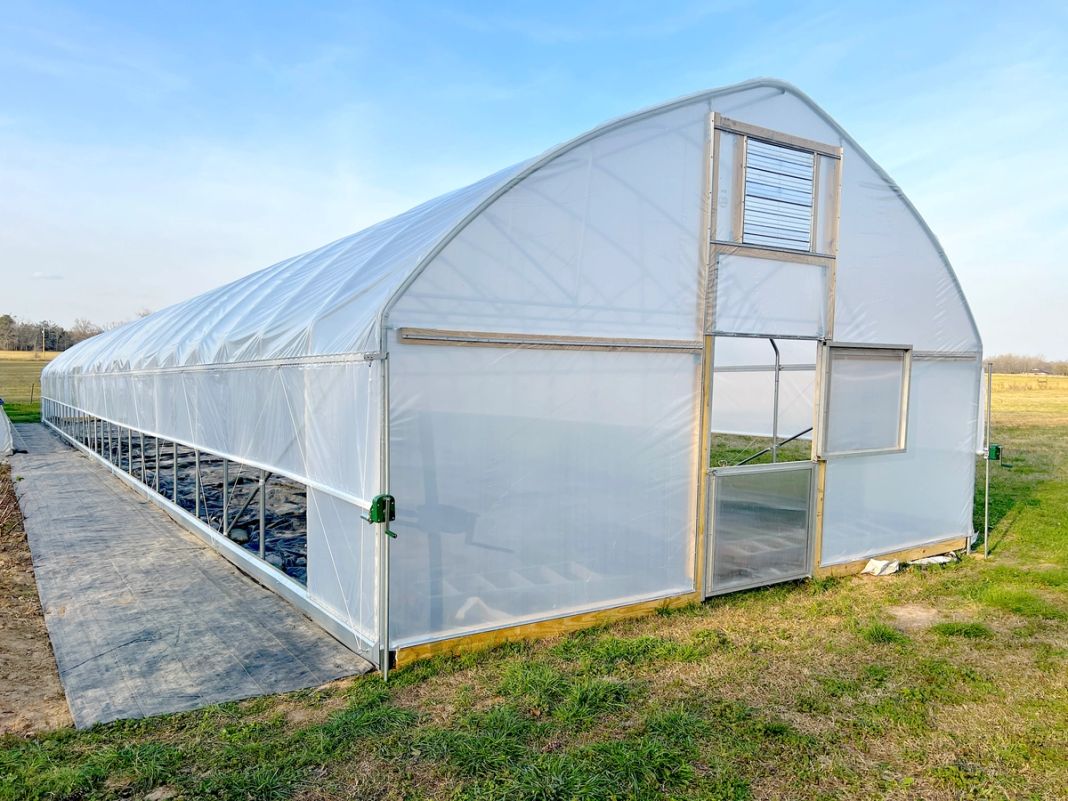
The NRCS eligible high tunnel used by Little Seedlings Farm
Get help choosing the best high tunnel for your farm
Before you invest in infrastructure, compare high tunnels side by side to review sizes, designs, features, and which models are NRCS-eligible. Still not sure which tunnel fits your needs? Book a free Tunnel Strategy Call with our team to get your personalized tunnel-shopping game plan.
Answer a few quick questions first and select your time.
Shop Related Products


In This Article
- From 1.5 acres to 15
- Why a straight-wall tunnel mattered
- Applying for EQIP high tunnel funding
- What the EQIP high tunnel grant covered
- How did this EQIP-funded high tunnel change the farm?
- His advice to other farmers
- EQIP high tunnel funding lessons from Brandon’s experience
- The NRCS eligible high tunnel used by Little Seedlings Farm
- Get help choosing the best high tunnel for your farm